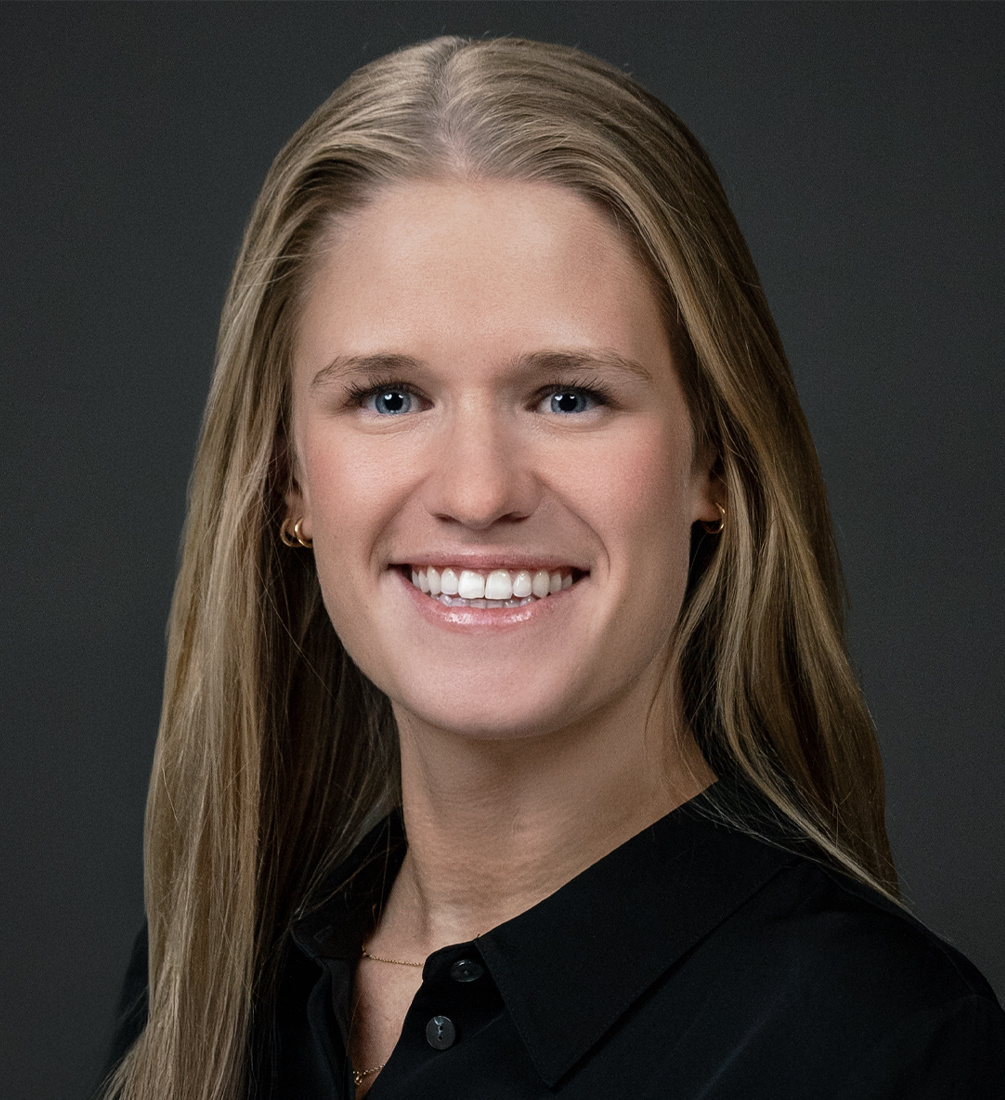
When José Feliciano and Kwanza Jones closed a $3.9 billion controlling stake in the San Diego Padres this spring, they made a point of saying it explicitly: this was personal capital, not Clearlake Capital. That distinction is doing a lot of work right now.
Family offices and private wealth have moved from passive fund investors in sports vehicles to direct check-writers on franchises, leagues, and platforms. The May 2026 Dakota Sports Investing Report tracked more than a dozen examples in a single month. The profile of who is writing those checks, and how they're structuring deals, has shifted enough to warrant its own map.
Here are 10 family offices and private wealth principals who are actively shaping sports capital in 2026.
Top 10 Family Offices and Private Wealth Investors
1. Kwanza Jones & José E. Feliciano — San Diego Padres ($3.9B)
Feliciano is a Clearlake co-founder, but the Padres acquisition was not a Clearlake deal. The capital came from his and Jones's personal balance sheets, setting an MLB record for a controlling stake purchase.
The structural tell: at the top of the market, the line between PE founder and family office principal is blurring. Feliciano and Jones aren't managing a fund here. They're acting as a family office would: committing their own capital to a long-duration asset with no pressure to return it on a fund timeline.
2. The Benetton Family (via Rocco Benetton) — Gamma Waves Partners
Rocco Benetton co-founded Gamma Waves Partners, a permanent-capital vehicle targeting sports, media, and entertainment assets across Europe and North America.
The Benetton family brings the archetype that defines a growing cohort: European industrial families with multi-generational capital, no institutional timeline, and a preference for building operating positions rather than passive LP stakes. Permanent capital with operating intent is a different counterparty than a fund with a 10-year clock.
3. Mark Cuban — Harbinger Sports Partners
Cuban's Harbinger Sports Partners names family office and private wealth as the anchor LP base. That's the signal.
The institutional capital gatekeepers that have historically controlled access to major sports assets are being supplemented, and in some cases bypassed, by direct capital from high-net-worth founders. Cuban is both principal and convener: his involvement draws other private wealth check-writers who want access to sports deals they couldn't source independently.
4. The Hearn Family — Matchroom Sport (£1B+ Valuation)
Eddie Hearn's family retained majority control of Matchroom as Bruin Capital took a 15% minority stake at a valuation north of £1 billion (approximately $1.27 billion). The family did not sell control. They brought in a PE partner at the margin to add operational firepower while preserving ownership.
This structure is becoming a template: founder-family majority with a PE minority providing capital and expertise, without the founder-family surrendering control or entering a fund timeline. For fund managers approaching sports rights platforms, understanding who controls the cap table matters as much as who's named on the term sheet.
5. Drake — Venezia FC (Operator and Dealmaker)
Drake is a co-owner of Venezia FC, but the more relevant data point is what he did as the club raised €100 million: he brokered the investment by Tim Leiweke and Francesca Bodie. His role was relational, not just financial.
Athlete and entertainer capital is operating at an increasingly high level of sophistication. The ability to open deal flow, introduce operators, and anchor raises that other capital sources can't access is a real capability. Funds and platforms that can credibly build those relationships are getting access to deals that remain off-market for everyone else.
Want to identify family offices already writing checks in sports? Book a demo of Dakota Marketplace.
6. Tim Leiweke & Francesca Bodie — Venezia FC (Largest Outside Shareholders)
Leiweke (founder of Oak View Group) and Bodie entered Venezia FC as the largest outside shareholders following the €100 million raise. The pairing is notable: a seasoned venue and sports operator alongside a senior executive, investing personal capital directly into a club.
Operator-family pairings are emerging as a distinct ownership archetype. The capital comes from personal balance sheets; the value-add comes from operational credibility. For a club like Venezia, that combination is more useful than a passive financial investor.
7. Prince Alwaleed bin Talal — Al Hilal FC ($373M for 70%)
The Saudi sovereign wealth fund (PIF) sold 70% of Al Hilal FC to Prince Alwaleed's Kingdom Holding for $373 million. Private capital bought from sovereign capital.
That's a notable structural reversal. The dominant narrative of the last three years in sports has been sovereign wealth funds acquiring assets from private owners. Alwaleed's move runs the opposite direction. Whether it signals a broader repricing dynamic or remains an isolated transaction, it confirms that private family capital at the top of the market is comfortable deploying at scale into assets that sovereign funds are exiting.
8. David Blitzer's Bolt Ventures — Hurricane Junior Golf Tour
Bolt Ventures, Blitzer's family office vehicle, acquired the Hurricane Junior Golf Tour. The transaction sits well below the headline deal sizes that dominate sports capital coverage.
Family office vehicles are moving down-market into youth and developmental sports. The economic logic isn't hard to trace: acquisition costs are low, the assets are undermanaged, and the exit paths (media rights, academy models, pathway deals with professional tours) are structurally interesting over a 7-to-10-year hold. This is family office capital operating where institutional capital typically won't.
9. Parth Jindal — Centre Court Capital / PlayReplay ($50M+ Valuation)
Jindal's Centre Court Capital backed PlayReplay at a valuation of more than $50 million. PlayReplay is a sports tech platform. This is not a team, a franchise, or a rights deal.
International family office capital is moving into sports technology, not just sports assets. Jindal's background (JSW Group family, significant Indian industrial capital) brings a different LP profile to sports tech than the U.S.-focused funds that have historically dominated that category. For sports tech funds and platforms raising capital, the international family office channel is underpenetrated and underestimated.
10. Athlete LPs via Factory Capital — Kalshi Series E ($4.7M Co-Investment)
Tony Stewart, Diana Taurasi, Nneka Ogwumike, and Connor McDavid co-invested $4.7 million in Kalshi's Series E through Factory Capital. Factory Capital is an athlete wealth platform that syndicates deal access to its members.
The vehicle is functioning like a family office syndicate. Individual athlete capital is being aggregated, diligenced, and deployed at the platform level. For founders and fund managers raising from athlete capital, the access point is increasingly the platform, not the individual. Factory Capital's ability to convene multiple athletes behind a single investment is a structural capability that matches how family office syndicates operate.
What This Means for Fund Managers
Family office and private wealth participation in sports capital is not a side story. In deal after deal this spring, it is the lead capital, the controlling stake, the majority position that determines structure.
A few practical reads for fund managers:
Permanent capital is competing with fund capital for the best assets. The Hearn family retained majority at Matchroom. Feliciano and Jones bought the Padres outright. These deals didn't require a fund structure, a 10-year timeline, or institutional LP approval. Fund managers competing for control positions in sports assets are competing against balance sheets with no exit pressure.
Operator-principal pairings are setting a new standard. Leiweke and Bodie at Venezia, Blitzer at Hurricane Junior Golf, Jindal at PlayReplay. These are people with relevant operating experience investing personal capital. The bar for what a financial investor brings to the table is rising.
The access layer matters more than the check. Drake didn't lead the Venezia raise financially. He sourced the best operators. In sports, deal access is increasingly controlled by relationship, not by AUM. Platforms and funds that invest in building those relationships will see deal flow that purely financial players won't.
The athlete capital channel has a new infrastructure. Factory Capital and similar platforms are aggregating athlete wealth in ways that make it function like a family office. That's a new and increasingly credible LP base for founders raising at the growth stage.
Knowing which family offices are active in sports, what they've backed, and how they're structuring deals is a core fundraising input in 2026, not a secondary research task. If you're new to the channel, start with the top 10 things you need to know about the family office channel.
Dakota Marketplace tracks family offices and private wealth investors across asset classes, including those active in sports and entertainment capital. Filter by investment focus, geography, AUM, and direct deal history. Book a demo to see the coverage.