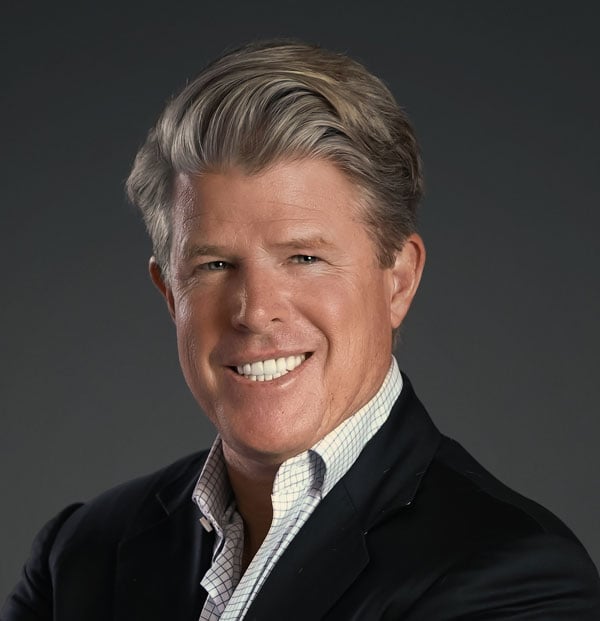
Hosted by Gui Costin, Founder & CEO, Dakota
Watch on YouTube | Listen on Spotify
Executive Summary:
Gui Costin goes solo this month to walk boutique-firm fundraisers through The Dakota Way, the four core principles of investment sales he has refined since he started fundraising in 1997. His message is that nothing about fundraising has gotten easier or harder, and that the work comes down to daily cold outreach, run with the discipline of a one-person distribution shop. Gui spends the most time on three habits that separate strong fundraisers from the rest: writing a sales plan and reporting against it weekly, sending a cold email built as a marketing piece, and closing every meeting with two tough questions. He wraps by showing how a CRM, a pipeline report, and dictated call notes in Claude, ChatGPT, or Copilot turn all of that activity into a follow-up system that keeps nothing from slipping.
Products Discussed in This Episode
The complete allocator intelligence platform built by fundraisers for fundraisers. Covers institutional and intermediary channels in the US and globally. Real-time updates on job changes, fundraising news, and allocator activity. The Metro Areas feature lets you pull every qualified prospect in a city by channel — the backbone of city scheduling discussed throughout this episode.
↓ Download the Platform Guide
Free for Dakota Marketplace subscribers to connect. Gui and Rob discuss using it to dictate call notes straight into Slack or Salesforce, and to ask questions across historical fund presentation decks that would otherwise take months and thousands of dollars to analyze.
Resources & Documents Mentioned
The Dakota Way by Gui Costin
The only book written on investment sales: 4 core principles for fundraisers. Available on Kindle and softcover on Amazon.
Request a signed copy
Be Kind by Gui Cosin
The companion workbook to this episode. Use it to build your sales plan, TAM, city scheduling cadence, and opportunity pipeline report. Available on Kindle and softcover on Amazon.
Request a signed copy
Stacy Havener — Allocator Meeting Masterclass
Referenced in Core Principle 3. Stacy delivers a clinic on how to structure an allocator meeting: centering the conversation in the first two minutes, getting the prospect talking 70% of the time, and asking the two tough questions before you leave. YouTube | Spotify
The Dakota Way: 4 Core Principles
Gui frames everything under one umbrella concept: focus on what you can control and on what matters most. Your pitch deck and website are secondary. The question is whether you come to work every day and send cold emails to book meetings in cities against qualified buyers. He calls the discipline of treating yourself as a full sales operation, with a boss, a plan, and weekly accountability, putting yourself in a straitjacket: be "Sam Smith, Inc." at the highest professional level, even when no one is watching.
Core Principle 1: Set Expectations with Your Boss
Write a sales plan, name the channels you will focus on and your top 250 accounts, then sit down with your boss to agree on what success looks like. Build a 5 to 10 minute weekly check-in into that plan. Gui pushes back on biweekly or monthly reporting, saying it lets you get away with murder, and notes that every boss assumes a salesperson they never hear from is playing golf. Everyone is evaluated on an 18-month clock, and with 9 to 36 month sales cycles, falling behind in months 6 to 9 leaves you cooked. Daytime hours belong to three activities only: cold outreach, meetings, and following up on the pipeline. Website and marketing materials are pre-8 AM and post-5 PM work.
Core Principle 2: Know Who to Call On
Establish your TAM and pick your channels. A private equity fund points toward the largest RIAs and multifamily offices, then some institutions, while a long-only mutual fund or actively managed ETF points toward RIAs, banks, and broker-dealers. Gui's advice for an emerging manager in St. Louis is to draw concentric circles: cover every family office and RIA in your home city first, then expand to drivable cities. The Northeast Corridor from Boston to DC holds roughly 40% of the US total addressable market for RIAs and family offices.
Then run city scheduling: always keep five cities in motion (ten if you want to be aggressive), with meeting slots at 9, 11, 1, 3, and 4:30. Pull your prospects by city and channel from Dakota Marketplace and send cold emails. Gui's first line in the book is that no one went to college to be a professional meeting setter-upper, and he says to accept it, gamify it, and keep going. Email beats phone because allocators are rarely at their desks.
Every cold email has three parts:
-
Subject line: "Meeting Request, [date and time]." Gui still opens every one, even the ones from AI tools, and says this is how you raise your open rate.
-
One to two sentences: who you are, what you do, and why they should care. Be specific enough that an allocator can drag the email into their private credit or private equity Outlook folder for later.
-
A clear call to action: "Can you meet in Chicago May 4th at 3 o'clock?" Don't ask them to suggest a time. Gui calls that disrespectful because it makes the prospect do your work, and they delete.
The email does three jobs at once: it books the meeting, it builds your brand each time you return to a city ("it's the third time this person has been in town in three months, they must be legit"), and it markets your strategy into the allocator's own database of ideas. Bonus tip: after your two sentences, reference something real the prospect has done, such as a podcast appearance or white paper. Gui says it raises your close ratio dramatically because it shows you care.
Core Principle 3: Be a Master Messenger
Once the meeting is booked, the job shifts from meeting setter to storyteller: take a complex investment strategy and make it easy to understand and easy to retell, because you are never calling on the end buyer alone. Gui breaks the meeting into four parts:
-
Center them in the first two minutes. When they say "tell me about your firm," you have two minutes to land who you are and what you do so they know exactly what they are listening for.
-
Ask about their decision-making process. Before you walk through your strategy, say you have researched their firm but haven't been able to understand how they make investment decisions, and ask them to walk you through it. It sets the stage for the rest of the conversation.
-
Run a Q&A, not a monologue. Aim for the allocator to do 70% of the talking, as Stacy Havener recommends. Gui also cites pitch coach Keith McDowell: give the short answer first so it turns into a conversation.
-
Close with two tough questions. The step most fundraisers skip because it is emotional, not hard.
The two tough questions: first, based on what you've learned today, do you see our type of strategy fitting within your asset allocation mix? A "no" is useful, because you can tell your boss exactly what happened instead of reporting a great meeting, and the contact goes on the mailing list. Second, if yes, ask whether they anticipate a search in the next 12 months for an open-ended strategy, or, for a private fund, whether they could make your final close date. Gui's example: a 3/31/2027 close that would take three board meetings, with the first not until December and a decision not until June, gives you your answer. A "yes" at either point leads straight to what information they need to keep moving through due diligence. For PhD-level credit, follow Stacy's lead and ask to book a 10 to 15 minute call right then to get their feedback on the meeting.
Core Principle 4: Have a Killer Follow-Up System
Once your cold outreach is working, you will generate more meetings than memory can handle, so you need a CRM. Log every scheduled meeting so you can run 90-day and 180-day lookbacks, and Gui says that if you review a full year of past activity, you will be blown away by how much you have done.
Call notes are the second piece. As long as you can talk, you can dictate. Gui's routine: get in the elevator, find a corner of the lobby, and dictate what happened into Claude, ChatGPT, or Copilot, asking it to pull the participants from your calendar invite and write call notes covering the key takeaways. It takes one to two minutes, and the finished notes go straight into your CRM, or into Slack if you are more antiquated. Wait 24 hours and the detail you capture drops by roughly 60%. Once the notes are in a database, you can put a chatbot or Slack bot on top of them to pull intelligence out.
The third piece is opportunities. Create an opportunity only when a meeting turns into a legitimate one, put it in a stage, and run an opportunity pipeline report sorted from closest to close down. Gui calls it your war room and your daily dashboard. Include the opportunity name, firm, AUM, metro area, key contact, and email, plus two custom text fields that are never left blank: Current Status and Next Step. Run the report with your boss once a week. It takes a minute, it makes your weekly update easy to prepare, and it closes the loop back to Core Principle 1.
Bring The Dakota Way to Your Team
Gui closes by opening the floor to teams: he's happy to come in and speak directly to younger fundraisers about the four core principles from the book. If interested, reach out to gui@dakota.com.
September’s Coaching Session is at 1pm on November 19, 2026
30 mins. Practical tactics. No pitch. Build for boutique investment firms raising capital without the budget of a large firm.
Save Your Seat →
View all Sales Coaching episodes