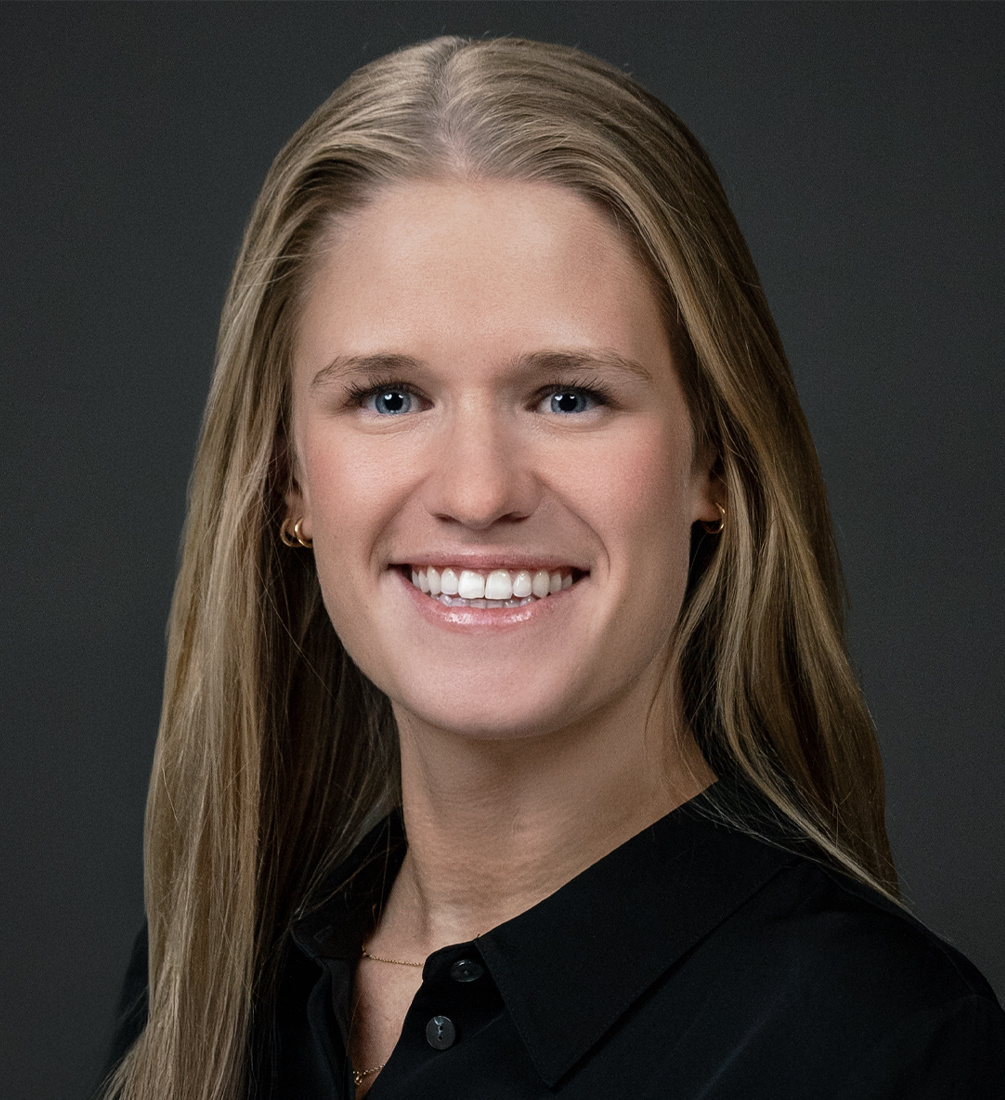
Hosted by Catherine Begier, Chief Marketing Officer and Dominique Mortelliti, Account Executive & Studio Sales Representative
Watch on YouTube | Listen on Spotify
Executive Summary
Dakota now runs more than 30 client events a year. Episode 2 of the Dakota Events Playbook picks up where Episode 1 left off, moving from why Dakota started Dakota Cocktails into how the program actually runs today. Catherine Begier and Dominique Mortelliti walk through what Dakota looks for in a venue, how city and calendar decisions get made, how the $150-per-head budget from Episode 1 gets negotiated in practice, and why the team deliberately lets RSVPs run past a venue's true capacity. The episode also revisits the night the team ran three events in one evening: with events already underway in Palm Beach and Chicago, a smaller team at a Denver conference sourced and booked a venue in about 45 minutes after prospects started asking where that night's Dakota event was. The through-line: no pitches, no speeches, no charge to attend, and a follow-up process built to reconnect rather than close.
Post-Call Notes
Products Discussed
Curated business travel guide for investment professionals: hotels, restaurants, coffee shops, and event venues across 20+ global cities. Built from Dakota's own event and travel history, including the venues referenced in this episode.
5 Takeaways From This Episode
1. Venue Selection Comes Down to Exclusivity, Cost, and Atmosphere
Dakota looks for three things in a venue: exclusivity, cost-effectiveness, and atmosphere. Private clubs are a favorite because they're often cheaper than restaurants, they aren't protecting a dinner service the way a restaurant is, so they can be more flexible on price. Layout matters too: open spaces with a bar and high tops encourage mingling, while fixed seating discourages it.
Why it matters for fund managers: A venue doesn't need to be expensive to feel exclusive. The right room does a lot of the work a bigger budget would otherwise have to do, and it's worth building a shortlist of vetted spaces you can return to year after year rather than starting from scratch each time.
2. City and Calendar Decisions Start With CRM Data, Not Guesswork
Dakota maps its calendar off Salesforce data showing where prospects and customers concentrate. Major markets like New York get visited roughly every other month, large metros such as Boston, Philadelphia, and LA about quarterly, and smaller markets like DC, Minneapolis, and Denver about every six months. The team avoids predictable low-attendance windows, like Palm Beach or Miami in July, and adds events opportunistically when clients are already gathering in a city for a conference.
Why it matters for fund managers: Letting CRM concentration drive the calendar, rather than convenience or instinct, keeps events tied to where the relationships actually are. A seasonality check before locking the schedule prevents the quiet, low-turnout dates that waste a budget.
3. Overbook RSVPs by Design to Land the Number the Budget Was Built For
Historically only about 60 to 70% of registrants actually show up. Dakota now deliberately over-invites, aiming for RSVPs at roughly 30% above a venue's true capacity so turnout lands close to the number the budget was built for. Plus-ones and walk-ins are generally accommodated on the night, which tends to offset the no-shows.
Why it matters for fund managers: Budgeting for a venue's stated capacity almost guarantees you either overspend on empty seats or underbudget for the crowd that actually shows. A known show-up rate turns RSVP counts into a planning tool instead of a guess.
4. No Pitches, No Speeches, No Charge, by Design
Dakota Cocktails events have no formal speeches and no product pitches, and they're free to attend. The intent is for attendees to connect without pressure to buy anything; any resulting sales relationship develops after the event, not during it. Dakota's business is data, not event ticketing, so the events stay in service of relationship-building rather than becoming a revenue line.
Why it matters for fund managers: A free, no-pitch format trades a slightly lower guaranteed attendance rate for a room where clients sell prospects on your behalf. That trade is easier to make once you've seen it work, but it requires resisting the urge to get something out of the room in the moment.
5. Fast, Personal Follow-Up Keeps the Relationship Moving
Because events involve many short conversations, the sales team writes notes down immediately after each one and collects business cards or Salesforce information to keep contacts straight. Follow-up emails are personalized and closer to reconnecting than selling, with no immediate meeting ask. Dakota also sends a company-wide thank-you with a personalized video message, and the team debriefs internally after each event to compare notes.
Why it matters for fund managers: The follow-up sets the tone for everything after the event. A personal note that doesn't ask for anything keeps the door open; a meeting request the next morning closes the same door it just opened.
What This Means for Your Firm
-
Score venues against exclusivity, cost, and atmosphere, not price alone, and keep a running shortlist to reuse.
-
Let CRM concentration data, not convenience, decide which cities and dates make the calendar.
-
Set your RSVP target above the venue's true capacity based on your own historical show-up rate.
-
Keep pitches and admission charges out of the room; let the relationship develop after the event.
-
Send follow-up notes within a day or two, and lead with reconnecting rather than requesting a meeting.
Catch up on Episode 1: Building the Trust to Run if you missed how Dakota got its events program off the ground.