Robert Morier: Welcome to the Dakota Live! podcast. I'm your host, Robert Morier. The goal of this podcast is to help you better know the people behind investment decisions. We introduce you to chief investment officers, manager research professionals, and other industry leaders to help you sell in between the lines and better understand the investment sales ecosystem. If you're not familiar with Dakota and our Dakota Live! content, please visit our website at dakota.com. Before we get started, I need to read a brief disclosure. This content is provided for informational purposes and should not be relied upon as recommendations or advice about investing in securities. All investments involve risk and may lose money. Dakota does not guarantee the accuracy of any of the information provided by the speaker who is not affiliated with Dakota. Not a solicitation, testimonial, or endorsement by Dakota or its affiliates. Nothing herein is intended to indicate approval, support, or recommendation of the investment advisor or its supervised persons by Dakota. Today's episode is brought to you by Dakota Marketplace.
Narrator: Are you tired of constantly jumping between multiple databases and channels to find the right investment opportunities? Introducing Dakota Marketplace, the comprehensive institutional and intermediary database built by fundraisers for fundraisers. With Dakota Marketplace, you'll have access to all channels and asset classes in one place, saving you time and streamlining your fundraising process. Say goodbye to the frustration of searching through multiple databases and say hello to a seamless and efficient fundraising experience. Sign up now and see the difference Dakota Marketplace can make for you. Visit dakotamarketplace.com today.
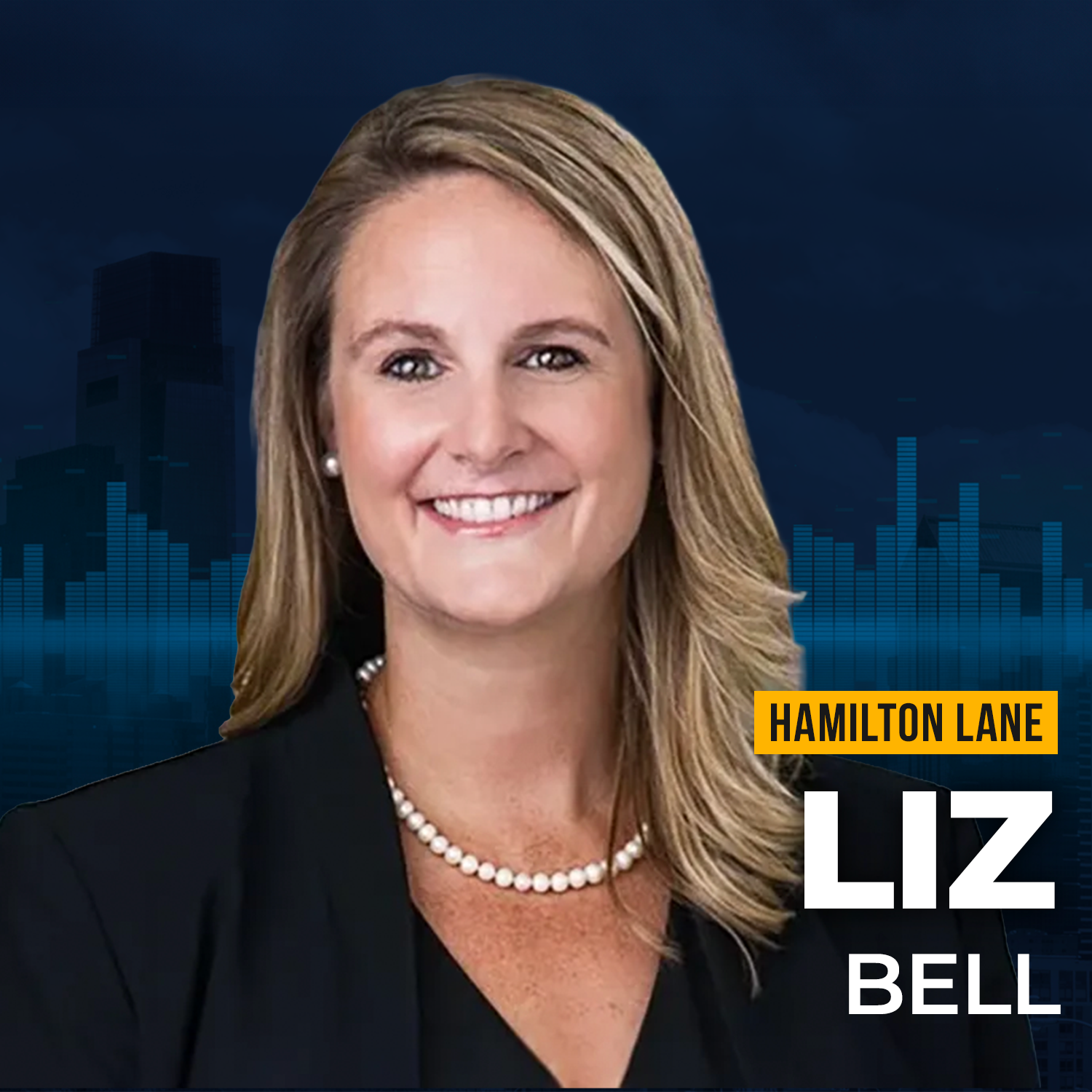
Robert Morier: Welcome back to another episode of Dakota Live. We are thrilled to be introducing you today to Liz Bell. Liz is the Managing Director and Co-Head of Real Estate with Hamilton Lane. In her role, Liz helps lead Hamilton Lane's private real estate platform, overseeing the evaluation of primary fund investments, secondary transactions, and co-investment opportunities. She is also a member of the firm's Real Asset Investment Committee, where she contributes to investment decisions within Hamilton Lane's Real Assets platform. Liz's career spans investment banking, private equity real estate, emerging markets, and institutional investing. Before joining Hamilton Lane, she held investment roles at Jaguar Growth Partners, Aberdeen Asset Management, Equity International, JER Partners, and Deutsche Bank. Throughout that time, she developed experience across acquisitions, portfolio construction, manager selection, and investing through the multiple global real estate market cycles. At Hamilton Lane, Liz's work includes evaluating real estate managers, and opportunities across primary funds, secondaries, and co-investments. Her broader career has also included direct and company-level real estate investing across developed and emerging markets. Liz earned her bachelor's degree from Princeton University before receiving her MBA from the Wharton School at the University of Pennsylvania. Liz, welcome to the Dakota Live podcast. Thank you for being in our studio in Philadelphia.
Liz Bell: I'm so excited to be here. Thanks for having me.
Robert Morier: Thank you for being here. Well, the commute wasn't too long. You came in, I think, from Haverford?
Liz Bell: Yeah, 20 minutes.
Robert Morier: Not too bad.
Liz Bell: No, not too bad on traffic today.
Robert Morier: Oh, that's good. Yeah. That's a determining factor whenever you come into Center City from outside. So thank you for being here. We appreciate you making time. We're very interested to learn about you, your career, what's happening right now within real estate, particularly underwriting managers who are focused on the asset class. But before we do, we always like to start at the beginning. Well, not the real beginning, but the beginning for a lot of us as it relates to career decisions, which is in the classroom when you're getting your undergraduate degree at Princeton. What did you study and what were you thinking in terms of a career at that point?
Liz Bell: You know, I went to Princeton because I thought I would be a lawyer. It was a broad liberal arts education, and I thought it would be great. And when I got there, I realized that my math background and interest was probably stronger than reading, a lot of assigned requirements. So I quickly shifted to economics and did a math track econ degree with a certificate in finance. And that led me, this was, I graduated in '04, so banking was the hot choice right after college that kind of just gave you optionality. And so that's what I did.
Robert Morier: What was that recruitment process like back, you know, in 2004? Were the banks, you know, coming to the university and openly recruiting? Were you having to--- I mean, this is pre-LinkedIn. I think about the days now, it's like you can throw your resume out all over the place, but it was, it was a different exercise then. So how did that process work for you?
Liz Bell: It was challenging for me because I was in soccer season. So they came in the fall and came on campus, it was kind of the 3 tracks. The banks would come in, they would recruit for sales and trading, for research, and then investment banking. And I wanted investment banking, so I kind of just followed that track.
Robert Morier: What position were you in soccer?
Liz Bell: I was a center midfield, holding center midfield.
Robert Morier: Oh, all 4 years?
Liz Bell: All 4 years.
Robert Morier: Oh, good for you. Yeah.
Robert Morier: So, when you think about your experiences on playing soccer and what you've taken from the field into particularly your early career, what were some of those lessons that really stood out and have stood the test of time?
Liz Bell: I thought I was a very hard worker, having to, you know, train for soccer my whole life. And I would say banking brought that to a whole new level. It was probably one of the biggest lessons learned from banking was just, you know, work ethic, diligence, attention to detail. I think I have a lot of energy and stamina, and that's reflected through--- I can't even imagine now today, but running for 90 minutes when I see the World Cup, and I was like, I actually used to do that. So yeah, and teamwork too, especially for private markets. And it's interesting. I was talking to someone about soccer and how it's not a scripted game. You know, the World Cup this year had these like half, basically quarters, where the coaches could have a little bit of like advice or interference. And, but typically that's not the case. And you are making decisions on the field as a unit. There's no plays. You have to adjust. You have to be decisive and kind of go with the outcome. I think that's pretty applicable to private markets investing as well. So yeah, I learned a lot from both, early career in banking and soccer.
Robert Morier: Yeah, that makes sense.
Also, the clock doesn't stop, right? Long-term assets and long investment horizons, sometimes like a game.
Liz Bell: So, well, hopefully private markets returns are higher scoring than in soccer.
Robert Morier: Let's hope so. That's true. Well, you know, there's some managers that wish probably there were right now, but we'll talk more about that in a few minutes. I'm curious, you started your career, you've, you know, kind of getting going, but you decided to go back and get your MBA. What preempted that decision?
Liz Bell: Yeah, I always thought I wanted to get an MBA. In banking, I saw a whole bunch of different sectors and I gravitated towards real estate. And then when I left banking after my 2 years in analyst role, I joined JER Partners and it was '06. I was there from '06 to '09 and it was the emerging markets euphoria. And I really fell in love with emerging markets investing. And so, you know, I had planned to go back and get an MBA to kind of figure out what path of investing I would take, whether it was private equity, management, hedge funds, or real estate. And that's what I kind of went back to business school to kind of hone in knowing that I really wanted emerging markets after business school as well.
Robert Morier: What was it about emerging markets? I, it, that resonates with me. I started at a long-only equity shop that primarily invested in emerging markets, and I felt the same way. You kind of, it kind of becomes like not a religion, but very, you become very dogmatic about the success, you know, that you think is going to come out of these markets. And it's, it's not always the way it's scripted, by any stretch. So what was your experience like, and why did you become so, you know, euphoric about these markets in particular?
Liz Bell: So when I first joined JER, it was 2006, and the BRICS terminology was just coined. There was this idea of, you know, emerging middle-class growth, and that meant a lot of opportunity for real estate. So as your population grows, particularly your middle class, they have a lot of housing needs, shopping needs. At the time, it wasn't so logistics-heavy as it is now. But I liked the idea of building, and it was a lot of growth equity investing. What I also liked about emerging markets was our approach being an allocator from the US, and I've always sat in the US but invested abroad, which is not easy. You really need local partners that you can trust. And so we approached it at the platform level. So it was almost private equity style investing in real estate company. And I loved the human aspect to that, the people management, the strategy management. And it was also at an exciting time where their capital markets were going through transformation too. There were significant IPOs, equity capital markets activity in a lot of these regions. And so there was promise of growth, excitement, and underwriting. It wasn't just coming down to pennies to win a deal. It was so much more than that. Understanding political risk, currency risk, and truly just understanding how your partner thinks and can you trust them? Because cycles have proven, in emerging markets, things will go wrong. You have to have that partner.
Robert Morier: I'm curious about those partner dynamics. What was that relationship building process like for you? So you're sitting in the United States, you're traveling in and out, you've established these partners who you're hoping are going to execute on, you know, the deals that you've identified. But there's so much, as you said, trust involved in that. So how does that relationship building process work in real time?
Liz Bell: It's a lot of time spent on the ground with your partner and in different settings. So, you know, We would typically work with the CEOs, CFOs, because we were capitalizing businesses. And a lot of this, again, was growth equity we were injecting into the businesses. But one, we would get recommendations before we would even meet with a group. And we were representing US capital, so we'd be very cautious on, you know, are they doing things the right way? Because not all emerging markets companies do. So that was kind of the biggest red flag for us. If we had heard any form of corruption or even a sniff of it, we wouldn't work with groups. So, you know, we usually had a network of our peers or advisors saying, like, these are some clean groups you should start to talk to. Then, you know, it would take us a year and a half from meeting a group to executing on something because you need to do dinners with them, long car rides, see how they interact with their team, how they interact with staff at a restaurant, in their office, just to really understand, you know, sitting like this at a desk, they're going to talk financial metrics and it's very easy, you know, quantitative. I can make judgment calls. It's spending that year and a half… to get to know them and see how they operate beyond just a corporate boardroom desk to say, you know, how are they going to behave when things go wrong?
Robert Morier: What did that process teach you about risk management that you still see as a thread in your career today, particularly, you know, owning and operating within emerging markets?
Liz Bell: The focus on risk and protection on the downside is tremendous. You know, we knew there were so many--- the risks investing in emerging markets are multidimensional. You've got not only the asset level, then you have, we're investing at the platform level, corporate risks, but you know, you've got government risk, currency, which I still can't figure out how to control, a host of other risks, capital markets, liquidity activity drying up. There's so many risks. And so you're going into this with the promise of upside though. You're taking on the risk because you think there's opportunity to achieve outside returns. So how do we do that? By mitigating the downside as much as possible, we would come in with governance controls, especially around exit. That was a major focus of ours. You know, where we applied structure, we could, if we felt like, you know, we needed some sort of preferred position, we would have that. But, you know, I carry a lot of those lessons now of who is your partner, number one, always assess the risks around them. 2, liquidity, how do you get, how do you exit, and do you have the control to do that? So those are 2 big lessons learned.
Robert Morier: Yeah, real assets and real estate has been the thread. So whether you're investing in emerging markets or you're investing here domestically, it makes a lot of sense as you described it in terms of why real estate in emerging markets, particularly with that growing middle class, but you've kept it going. Why have you kept it going? Why have you stayed with this particular asset class?
Liz Bell: I had a moment in business school where it was the first year trying to dabble in all sorts of asset classes, which one do I like the best? And I did a stock pitch with the Investment Management Club and I was very nervous. I picked a Brazilian homebuilder and I had reached out to one of my old colleagues and did a lot of work on it. So, had we invested, it would've gone well. So I knew it was a good pitch. And I just remember staring out at the room with a lot of second years and they were like, Brazil? Home? Like they did not care at all. And they almost dismissed what I was saying. And then I left there and went to a happy hour with the real estate club. And my friends are like, where are you? Why didn't you come have a drink with us? Like, where were--- and I was like, I'm doing a stock pitch. And they're like, why would you do that? Like, And this is, you know, we're hanging out, we're having a good time. And I realized that the people in that room were my friends. I felt most comfortable. They were friends independent of real estate. And I realized that especially with private markets investing, again, getting back to the people and the partnership, they were just people I could understand, could trust, and enjoyed working with. So that was kind of the aha moment for me. Like, yeah, I think I am a real estate person.
Robert Morier: Interestingly, most of your career though has been evaluating the investment managers who invest in real estate. Why manager research? Why due diligence?
Liz Bell: I had another aha moment in business school of, you know, okay, now I'm in real estate. How close or far from the actual bricks and mortar do you want to be? And I realized we did a property tour one day, and it was a new development that was in the process of construction. And, you know, I was like, okay, how much is this costing? What rents? Kind of doing the yield calculations very quickly. Where do I think CapEx could go beyond the budget? And I could see some of my friends were like, wow, look at that HVAC system, or what materials? How did you source that? And I was like, I don't really care about that. And so I realized I did not want to be that close to the bks and mortar. There's no right or wrong; it's kind of where you want to be. So I like to be kind of a step or two removed, where I'm working with the people. I understand the asset class, but I'm not that close to the real estate level.
Robert Morier: It begs a question, how do you weigh the quality of those underlying assets? You're a step removed, so an arm's length, a nice way to put it, against the capabilities of the manager responsible for executing on that strategy?
Liz Bell: You know, it's a very good question. I think there's nuance around governance and control. How much are we active, or, you know, how much, how intensive is the business plan? But I think painting with a broad brush, what we would weight a little bit more strongly is the manager. There's oftentimes, you know, we'll see a fantastic asset or a--- I don't like the word trophy asset, but a trophy asset, and we'll pass mostly for 2 reasons. One, pricing. We don't want to ever overpay for something. But 2, who the manager is. Who's the partner bringing us that asset? We would rather go with a partner that we know that can execute well than the best, biggest and best asset in the market. And I think a lot of times, you know, those kind of go hand in hand with each other because the best managers, you know, they know how to execute. They know how to find the right assets, pay the right value, and you see that in their track record. So we'd rather go with someone who's tested than just seek the best quality assets.
Robert Morier: That testing process, is that done through your own experience with them or their experience in the market? Meaning, do you need to know a manager for several years before you start to do the work on them, or do you trust past experience and then get to know them? I don't want to say as quickly as you can, but you know, you know, there's an opportunity, maybe there's a fund closing, you want to get to expedite that relationship building. What does that look like in practice?
Liz Bell: So we invest across various paths. So primary funds and then deals, I'll call them. On the fund side, it usually takes a while to get to know you because we're giving up so much control. We're underwriting so many unknowns. Typically when you invest in a fund, it's blind pool. So in that regard, we do 2 things. Sometimes it's all about kind of the trust of the manager that they can execute on their forward-looking strategy. However, we're looking at past performance to determine whether they can do that. And so, you know, getting to know them, it's good to hear, you know, the pitch and then see how they've done in a fund a little bit. But there are times we will just look at the track record and say, this is phenomenal. They know this asset class. It's usually for specialists that we'll take a few meetings and then say, yes, we think it's appropriate to invest. Even with that, I'd say it's at least a 6-month process. I can't imagine we would do anything with a new partner from first meeting to closing in under 6 months. And again, that has to be--- you have to really prove your expertise, and your track record has to reflect that you know what you're doing.
Robert Morier: Is that diligence process uniform, or does it change depending on the type of investment you're evaluating?
Liz Bell: There's a lot of similarities across any type of investment we do. Specifically manager track record, team stability. So we'll look at that, whether it's a primary or a deal. As I mentioned, the primaries, you're heavily reliant on their past performance because there's so much unknown and trust that you're underwriting. When we transition to the deals, which we define, you know, I think co-invest, secondaries, recaps, JVs, the nomenclature is very blurred. So I just call them deals. That's much more akin to typical deal underwriting. And where we are in the market today, we think there's a lot, there's, there's a lot of risk and we want to eliminate as much risk as possible. So we're only investing in pre-specified assets, which means there are a lot of knowns with the manager and the asset, and we can dig in very deep because there's information visible to us. So there is a little bit of difference across the board.
Robert Morier: Real estate has become increasingly specialized as it relates to the number of managers and what they're offering. How is the definition of what you would consider a great manager? So they fit all of those criteria, they're the type of partner that Hamilton Lane wants to invest in. How has that changed over the — let's say — last 4 years since you've been at Hamilton Lane? Have you seen some evolution?
Liz Bell: 20 years ago in this industry, kind of the great managers were deemed to be large diversified groups that had access to capital and relationships. That has definitely morphed. You know, the past 4 years, there's been a lot going on in the market. You came out of COVID then you had the interest rate hikes. And so there, we're really seeing how managers perform in a down environment. So I've learned a lot from that. But in terms of how we think about who to invest with and the specialization, for sure today, we are looking at groups that can drive NOI, that really understand that asset level. They are close to the asset. And that's a lot of operators that understand a niche. And, you know, we like groups that — that's all they do. They live and breathe senior housing or self-storage. And so we have trust that, you know, they know what they're doing. This is not a capital markets environment right now. It's, you're going to create value at the asset level, and that's what we want to work with those specialized operators.
Robert Morier: When you're building the portfolio, it sounds like it could be a bit of a core-satellite type of approach where you've got a few core managers. So maybe those larger players that, you know, have a lot of access to capital and have access to deals, with these satellites. In private real estate, diversification can involve much more than owning different properties. How do you think about diversification across sectors, geographies, vintages, strategies when you're putting these managers together?
Liz Bell: Yeah, that's a great question. And the term you use, the core-satellite approach, is one that I learned since joining Hamilton Lane. And it's because we have a specialized group within Hamilton Lane called our Portfolio Management Group, PMG, that their whole job is to curate these portfolios to make sure that we're getting diversification and that we're getting what the client wants. So on the deal side, you know, I'm going out there and finding the best investments. They're finding the best portfolio fit. And so they're looking at a variety of diversification metrics across vintage year, not just property and geography, where they are in the capital stack, and making sure that the parameters are achieving the return target. Targets by mitigating as much volatility and downside and getting downside protection.
Narrator: Dakota Marketplace provides the industry with the highest quality and most up-to-date GP, LP, private company, public company data, as well as performance benchmarking and a number of other different datasets that the investment industry is fueled by. We're excited to announce that all of that data is available now via our customizable and bespoke APIs. You can create an API that will plug into any CRM or use some of our pre-built APIs with Salesforce, Snowflake, and a number of other CRMs that you can find on our website. To learn more about Dakota's API offerings and create a custom package that best suits your business, go to dakota.com.
Robert Morier: When you're sourcing a manager, going out for the first time, and you're going to try to fill one of those objectives within the portfolio, what are you tapping into first? Are you tapping into a database? Are you tapping into your own personal network? Are you tapping into Hamilton's network? Or is it D, all of the above?
Liz Bell: D, all of the above. So we have the benefit that we have primary dollars and we're active. So we consistently put out between \$2 to \$3 billion a year. And so I think, and that's a mantra getting back to the vintage and diversification, you know, when we tell--- advise our clients and partners, don't time vintages, always put out. So even in this difficult environment, we're trying to keep our pacing consistent, and maybe ticket sizes have come down a little bit, but we're still deploying. So in a capital-constrained environment, people are coming to us left and right--- big managers, small managers, fundless sponsors--- and they want to get into that queue for the primary dollars, the best way to get to know them and get to know us is show us the deals first. So we get a lot of deals, deal flow. Last year, we saw \$30 billion of transaction activity in 2025 in a slower environment because groups want to get into that primary queue. So we sort of have this allure that groups gravitate to us. At the same time, you know, we've got our own network. We also know who we've worked with in the past and getting back to the partner, if I know that there's someone that I've worked with in the past, can really trust, I gravitate to them and say, hey, what do you have? How can we, how can we work with you? I know you. We work well together. There's trust, especially in this environment where, you know, underwriting is unclear today. What are your assumptions on interest rates? How do you behave when things don't go as planned? And so I think especially right now, partner trust is so much so important.
Robert Morier: What are some of the sectors and themes that are dominating within that queue today? So if you had to look at the line, what jersey are most of those players wearing as it relates to--- I don't want to call it chasing anything, but where are the areas that seem to be generating the most interest for the asset managers who are calling you?
Liz Bell: 5 years ago, it was very much a sector allocation game where you had your structural demand drivers supportive of some advantageous sectors, i.e., multifamily and industrial, and then creating real headwinds for other sectors that were more at a disadvantage, like retail, and office. So had you allocated to the right sector and not allocated to the wrong sector, you would've outperformed. Fast forward today, there's a lot of groups who have figured that out and are trying to raise money for multifamily and industrial opportunities. And we think the pricing is rich, you know, and there's overbuilding on both sectors in certain locations. So we still like those sectors, but we're actually much more of a bottom-up focus today, especially on the deal side. So we will look at anything as long it's, you know, great quality at a great price with a great partner. So we just did our first office deal that we haven't done in years, but it was a great basis with a repeat partner of ours in the Bay Area. And there was significant demand from a high credit quality tenant. So, you know, nothing, I would say today, nothing is really off the table. And we also like the alternative niche sectors.
Robert Morier: Let's get back to underwriting a little bit. We can role play. I'm the asset manager. I'm sitting across from you for the first time. You're interviewing me. Hopefully, my pitch deck is capturing everything that it should be. But what are some of those subtle things that you look for in a manager that rarely show up in that presentation?
Liz Bell: In-person meetings are great because you can observe so much more than just what's in the pitch book and on paper. We look for humility, deep sector expertise, and platform stability. And then we look at all the other soft skills in the room itself. How are they treating the other people that they brought? To speak or not. But I always, you know, when someone comes in and just from the get-go of the beginning of the meeting, if they sit down and just start talking at us, I know this is not going to go well. If it's an engaging conversation, which it should be, you know, we see a lot of managers, they can get a lot of insights from us. So a conversation is always best to start with and then humility and deep expertise. So I pitch a lot, I understand I have a script, and I like to stick to it. But I test the other side and ask the questions that not what they want to tell me, but we ask questions and then really see how deep their expertise is, we'll push them a little bit on track record. And listen, we know people have bad deals. It's been a rough environment. But how do they respond? Do they get very defensive? Are they open about it? Do they try to, you know, push things under the rug and not talk about all those? The response to those types of questions, the content's important, but the response itself and how they handle themselves is also signs of how they'll act as a partner. So I love the in-person meetings.
Robert Morier: Is that where humility shows up? Does humility show up when you're talking about a mistake and how it's conveyed back to you?
Liz Bell: Yes, and how their organization, you know, if there's turnover, what does that look like? Is everyone out to pursue new entrepreneurial ideas, or do they say, you know, they had some challenges? Whatever the reason is, just probing at that and how they respond, you know, it's very insightful.
Robert Morier: Sometimes when I hear that answer, I think back to how I grew up in the industry at a time, and you were at the same time, like that 2000 to 2008. It was the era of the rock star, you know, the portfolio manager that sat above the organization in an ivory tower and was allowed to have an ego and was allowed to be a difficult personality and was allowed to have turnover on the team and got away with a lot. It seems like we've gotten away, and I say we allocators, have somewhat gotten away from that, at least in the way that they're answering that question. Do you see that as a change, or do you think that it's still there, it's just not as prevalent as it used to be?
Liz Bell: There's pockets where it's still there, I would say. And I was speaking to someone recently about the term of re-emerging manager. So I think a lot of the groups that had rock stars leading the firm in that type of way, very few of them have come out unscathed. And so testing them in particular about what was the lesson you learned and how are you treating your employees who stayed, who left, especially when things are going well, they're treating people to dinner and, you know, you get candy in your lunchroom every day or whatnot. When things get bad, they pull that back, people leave. So I think what we're seeing is a lot of that group needs to reemerge. Some are doing that better than others. And that's where this idea of, you know, humility, we messed up. This wasn't how we should have acted. But, you know, if you're staring at yourself in the mirror every day and things are going great, it's very hard to then say, oh, I have to kind of re-win these LPs over. I didn't do what I said. It's a very humbling thing. And yet that's what we like to see, right? The lessons learned. How do you apply it? The market is constantly evolving. Can you evolve as well?
Robert Morier: Yeah. Okay, so getting back to us, I've given you my — I'm very humble.
Liz Bell: Yes.
Robert Morier: I've told you all about my mistakes, and you've accepted those, and I've reemerged. So I've hit a lot of the criteria, and I leave, and I leave the pitch deck with you. What happens then? What's the next part of this process? So if you wouldn't mind taking us through, what does the decision-making process then look like as you start to go through the full underwriting process?
Liz Bell: Yeah, I'd say a step we didn't touch on was even before you got to the room. So we see, you know, I think we met with close to 400 managers last year, or received information from those managers. We put everyone through a portal system. That's kind of the first litmus test. Unfortunately, there are some funds that are too small or track records that are too bad that are easy nos. We don't even take the meeting. Or it could just be an interesting strategy, but we don't have capital for that strategy. Too niche. If you get in the room, and that portal system, I should go back, that allows us to extract a lot of data and do comparisons. We have our own proprietary database where we compare track records very quickly. So it gets uploaded, we say, do we want to take a meeting or not? Look at the track record, how do they compare? Okay, yes or no. Then you get into the room, we have a great meeting, very humble, very talented, and now we want to proceed. We'll usually do a follow-up, so internally we talk about it, and then we'll probably dig in deeper and ask a little bit more about deal specifics. So a little bit more deep dive, you know, an hour meeting can cover a decent amount, but we'll go deeper. And then if we say, hey, this is something we want to really underwrite, we'll issue an RFP.
Robert Morier: Mm-hmm.
Liz Bell: In which case, you have to fill it out, you know, in our template, and we keep extracting the data. What we do, I think, which is super helpful, is we give you a template for you to put your cash flows in directly, but it's our template. So we're scrubbing all the cash flows. We're not just relying on your gross-to-net assumptions. You know, we layer that out. So that's a big part of the RFP process. And then as we prepare, you know, we have a 2-stage IC, Stage 1, we'll gather some information. Okay, we want to do the heavy lifting. We issue the RFP, we do an onsite, which is usually 3 to 4 hours of meeting with many people throughout the organization. Potentially, we do property tours, and then we do our final IC and see if it gets passed through our real estate team and then also our global team.
Robert Morier: What does your team look like today? Perfect.
Liz Bell: So there's about 20 to 25 of us globally on just the real estate investment team. Like I said, we have these ancillary teams with portfolio management group where they have dedicated real estate resources we use. We've got our capital raising team, but on the real estate team, we're heavily focused on the US. There's 10 of us here in the US spread out geographically, which is a little atypical for Hamilton Lane, but we like it because real estate's such a physical asset class. You need to visit the assets. So we have, you know, people in the Southeast, on the West Coast, here covering the Northeast. So, when we do deals, we see every asset. So we're flying all the time to go see what it is we're investing in. Google Earth is great, but it definitely doesn't capture all of that — the softer factor, and also the time with the manager in the car to see the assets. So, you know, our team's pretty spread out. I would say, you know, we also have teams in Europe and Asia that help us there because they need to know the market, their local market.
Robert Morier: Yeah, Europe seems to be getting — capturing a lot more headlines recently, particularly with real estate and private credit to a lesser extent, but still. How do you think about the European opportunities that are currently being presented to you? Again, core satellite. Is it a satellite opportunity that you're starting to try to attract investment to through the work that you're doing?
Liz Bell: Yes, it's core satellite. Most of our accounts are US dollar-denominated, so taking on currency risk, we have a strategic band of how much we want to take on international. Most of that's going to Europe, but it's not the core focus for any one of our accounts. We are allocating more today than we have in the prior, you know, 3 years that I've been at Hamilton Lane. We like sector specialists. Europe is a patchwork quilt of different regulators and cultural dynamics and underwriting, you know, how you need to think there. So if we know a manager has a particular asset class or a particular geography that they know very well, that's what we're looking for. We're not necessarily going to the--- the wide-reaching allocators, diversified allocators across time.
Robert Morier: Do you think that's a competitive edge because Europe is not as homogenous as say the United States and you do have these disparate countries that have very different laws, very different rules, even with the umbrella of the EU? Do you think taking time and investing in those markets is giving you a sort of edge relative to your peers?
Liz Bell: Absolutely. You know, I think there are moments in time where you want to get maybe international exposure. I think this is a point where we're leaning in. Valuations are pretty attractive, and particularly we're bullish on industrial. So, we're investing heavily there. Another market that actually we're looking at for that international exposure is Canada right now. It's much more stable, lower interest rate environment, lower return, but more stable. And — still industrials? Industrial and multifamily, actually. And for those who aren't in real estate and living, breathing real estate every day, multifamily is an asset class that is extremely robust in the US, but not as established in many other markets. And so it's sort of an evolving, newer asset class in Canada, to be honest. It was a heavily condo-focused market. And so now, for the first time, they're really bringing in institutional players that know how to run an apartment building that's--- they call it PBR, purpose-built rental. So, you know, seeing what we've done in the US and applying some of those lessons to Canada for the multifamily space, I think, are interesting.
Robert Morier: Just to close, let's close out the underwriting process. So now you're at the investment committee meeting and you're potentially going to finalize this decision. What does debate sound like? What does debate look like within that conversation, if you wouldn't mind allowing us to be a fly on the wall? So I would assume not everything passes through with flying colors. It's a room full of smart people with a lot of experience and that may have seen this movie before. So what does that conversation look like in practice?
Liz Bell: I love talking about the IC dynamic.
Robert Morier: Yeah, I can--- I find it so fascinating because it's really, it's the part of the process.
It's so important. I love this job because I think when you get to speak to someone like you who's doing all of the work, you know, getting you to that point up to the IC, and then it can fall apart because someone in the room has had an experience in Canada that did not work out. And, you know, you weren't aware of that prior to that conversation, but now all of a sudden, you're very aware. So I'm just curious. So thank you so much. I'm glad you'll touch on it a bit.
Liz Bell: ICs are interesting because they are meant--- I think the most successful ones do push back on deals, ask as many questions about how things can go wrong versus how they can go right. And that's conflict inherently, right? You've got someone presenting for and the other side is pushing back. And so the personal dynamics that I see across ICs, and this is not Hamilton Lane, but even prior, I think as a presenter, because I've been on both sides, you almost have to go into the room and detach, right? Like, you're working--- before, I would work on deals for a year and a half in emerging markets, and someone could kill it at the final IC, and you can't get emotional. And I think from the presenter side, I tell people all the time, this isn't your baby. You've sacrificed time, personal commitments for this, but it's not your--- and it's not your money. The IC is there because they've represented you in the past — you know, other ideas, other risks they're considering — and they're not in the weeds, and that's a good thing. And you need to take every question that an IC asks and give it the response and value, whether you think it's the right question or not. So that's from the presenter side. From the IC, you know, we have a global IC that covers many asset classes, so it's always interesting what they're seeing, either in different geography or different asset class, a lot around liquidity or financing, or they also know some managers, and had experiences, good or bad, from that in the past. So we get a lot of influence from that. I think one of the best, as an IC member, and I struggle with this, but I'm trying to improve, is to become a master questioner, is to ask the question that really causes people to pause, and it's the right question, but framed in a way that I'm not saying, interest rates are low, this is a bad idea. It's, what do you think if, or how would you respond if this happens? So the framing is very important in ICs, but you know, we've had opportunities, you know, I've had a deal that I worked on many years ago that was a European investment, and Brexit happened in June — I think 2015 or '16 — and, you know, it got killed after months. Exogenous factors happen, and if someone doesn't feel comfortable, we're fiduciaries. It's not our money. You have to make sure that, you know, you're doing the right thing for the clients. So ICs are fascinating. We talk a lot about that.
Robert Morier: Well, what are some of those questions? I'm curious, what are some of those questions that have yielded the most results to really help inform you? You've talked about how you frame them, which makes a lot of sense. You know, it gets people to think and respond more constructively, more qualitatively, and then maybe they'll dig into the quant. But what are some of the questions that you consistently ask that always just seem to generate the type of answer that helps you inform a decision, both in the due diligence...
Liz Bell: In some ways, I like to think about the exit first, because we can understand today whether I think the entry point is attractive or not, right? And I can understand enough about the partner, but the unknowns that I want to make sure that they're thinking about are what can go wrong between now and exit. And again, I think going back to my emerging markets experience, windows of liquidity are fleeting at times, less so in the US, but they still are there. And what happens if and when you can't exit the path you see? And I think we went through this recently with the interest rate cycle. What happens if you hang on to this longer? You know, yesterday rates remained flat. They could have gone up. What would that have meant? And I think when you're a deal person, you're naturally inclined to be optimistic. You want a deal to happen. Oh, rates will flat or maybe lower. Like, no, they actually can go up. And so I think what RAIC does very well is ask those questions that are broader finance questions, and they're not necessarily in the weeds of real estate every day, but they're asking these bigger questions that will have real implications. Another very valuable aspect of RAIC is when we think about tenants, what are their views on that tenant? We did last summer, for example, we invested in an apartment in the Mission area of San Francisco. Last summer, I didn't fully appreciate the AI boom, and San Francisco was also a little, you know, had gone through some, rough years. They brought this deal. It was across--- it was in the RAIC arena. It was across from OpenAI, you know, all the tenants in the building were working in AI industry. So our IC gave us the conviction in saying, hey, we've underwritten OpenAI. We've underwritten the 5 companies in this area. They are real. They are getting funding. Their employees are making this. You can push the rents you need because we know that there is that room. We know what they're making. So they provide just different perspectives that as a real estate bricks-and-mortar investor, we might not be thinking about day to day.
Robert Morier: How about your investors? Are there areas of today's private real estate market where you believe investor expectations have become overly optimistic?
Liz Bell: Yeah, Southeast multifamily. We're back at it again. You know, I think we are believers in the multifamily sector because there's structural demand drivers. There's a housing deficit of 5 to 7 million in the US, of 5 to 7 million units in the US. Affordability is a concern for many people who have to rent. Great. That doesn't mean, as I talked about before, you know, just allocating to multifamily, you're going to do well. And we saw during COVID population migrated to the Southeast, better weather, more affordable. You could have more flexibility in your day job. And so people were flocking there. But there's fewer barriers to entry. There's a lot of land, and it got overbuilt. There was a lot of pain over the interest rate cycle in particular in those markets. And yet now, as we are kind of coming out of it, question mark, right? Yesterday we remained flat. It could go back up again. The underwriting and the aggressive assumptions for particularly Southeast multifamily have come back again where I'm scratching my head. So that's an area where I think people have been too aggressive there, and didn't really learn their lesson from the past 3 years.
Robert Morier: I will ask about AI data centers because it's, you know, you think about optimism. I mean, it's not even optimistic, it's euphoric. So you've got this euphoric build-out in AI data centers. And when you think about that from your seat, so you don't need to get into the mechanics of why, but, you know, how it's happening and whether or not it's moving at a pace that you kind of want to see how this plays out first, or is earlier better, you know, to be able to take advantage of some of these opportunities?
Liz Bell: It's a very good question. I think not all data centers are equal in our mind. We are still--- the rules of real estate still apply. You know, I think there was a bit of euphoria that data centers in the middle of nowhere, as long as you had power and water, they would succeed. And we are very cautious, if not fearful, of some of those opportunities. What we like are data centers, in particular with AI, that require--- have very strict latency requirements, and that need to actually be along the fiber lines that hook up to the carrier hotels in a city and make sure that if you're a doctor and you're doing an operation, if you're a driverless car, if you're an algorithmic trader, every nanosecond in that matters and you can't have hiccups. You actually need those data centers very close to an urban infill location. And if the many unknowns on exit, as I talked about earlier, for data centers or, you know, how technology might completely change and obsolescence is a concern, you're still within a major metropolitan area in a location that there's probably another use for that real estate. So especially if there's power. So we like data centers. There's a whole range of how you can invest. We prefer to make sure that the rules of real estate still apply.
Robert Morier: Yeah, it sounds like you're talking about emerging markets.
Liz Bell: Yes.
Robert Morier: It's very local, even though it's top-down, there's this big theme going on, but it's a very bespoke investment. So you really need to know where you're going. And news recently has been highlighting that. Do you think that emerging market experience helps inform the way that you're looking at AI data centers?
Liz Bell: I think it's the idea of growth and the excitement of that. And I've seen that, yes, allocating to growth is not always going to result in the outcome you want. You have to be very careful and make sure you have that downside protection. So that's why we're constantly, what is another use for this land if something goes drastically wrong?
Narrator: For years, legacy data providers have made private fund performance benchmarking complex and expensive. That's why we launched Dakota Performance and Benchmarks, the first ever benchmarking platform built by people who are using the data themselves every single day. We've made our benchmarking affordable, customizable, and very, easy to use. You can log in to Dakota Marketplace today to start creating your own benchmarks and viewing our created benchmarks, or you can learn more and book a demo at our website at dakota.com.
Robert Morier: This has been a worn-out question, but I'll ask it in a slightly different way, which is around the democratization of private assets, private real estate in particular. It's become significantly more accessible to retail investors over the last decade. How do you think that changes competition for managers? So, you know, the managers that are wanting to make themselves accessible, you know, to a larger retail-oriented audience versus that pure institutional manager who is weighing their options. What do you think about the competition for managers and investment opportunities in that context?
Liz Bell: The train has left the station on whether democratization of alts is appropriate or not. It's happening. I still think that there's 2 different lanes where a manager should have their institutional capital lane that understands 10-year lockups, longer holds, different fee load versus a retail investor, a private wealth investor that may not have that same appreciation, has a little bit more liquidity, or may understand it, but has more liquidity needs, aren't managing their balance sheet the way an institution is. Yet I still think there's a great place in their portfolio for private real estate. We are looking at some of these semi-liquid structures. I think the industry as a whole, you know, has evolved. I think we need a 3.0 version. You had non-treated REITs in the early '90s that had no transparency and very high fees, tanked after the GFC. I'm not going to name names. Several came out with 2.0 and it was a much better product. I think after this interest rate hike, liquidity crunch. I think investors want a 3.0 version. So what does that look like? This is something I'm very excited about and studying myself right now — is a 4-quadrant solution better to provide the liquidity? So it's not pure public markets, it's truly a hybrid where you've got private real estate equity, public real estate, private real estate debt, public real estate securities, and then CMBS, and you can play across all 4, or to allow for yield, which has the liquidity and just a little bit more ability to get in and out. Or another option is secondaries real estate. Is that a better product for these semi-liquid structures? Because it's shorter duration holds, you're coming in at a discount typically, you know, there's a churn in the portfolio where you're kind of buying and looking to sell quickly that may match the natural duration of the underlying investor. So, I'm excited about it, but I think you want to keep those 2 lanes separate.
Robert Morier: We have some students in our studio audience today from Drexel University, if one of them decides to enter the private real estate market as a career, what skills would you encourage them to work on as they're thinking about their resumes, as they're thinking about those interviews, as they're thinking about that first job?
Liz Bell: My thinking is significantly evolved here, and I don't think I'm--- I'm still chewing on it. But in today's world, what I see happening with AI, I feel that the desktop work that can be done, especially at an entry level, AI will be able to do better than in the past. And so a lot of those skills you still need to know, need to do case studies. But I think what's most important for your longer-term careers in real estate is to actually try to find an opportunity where you've identified someone that you think could be a great mentor or is very good at what they do in the industry. And I'd say do whatever you can to take a role to get close to that person, because I think the apprenticeship model is where we need to refocus, and it's the softer skills, right? A senior executive isn't in the models every day, but you can see how they carry themselves, how they negotiate, how they treat their partners, how they're making decisions when things go right or wrong. If the desktop's doing the models, it's these other skills that will separate you going forward, especially at a younger age. So it's a maturity aspect too, but that's one path. And then I think case studies and case competitions while you're in school are just a fantastic way to really learn out deals too.
Robert Morier: Did you have a mentor? Was there someone that you could point to, to help shape that advice you're giving to students today?
Liz Bell: I've had several fantastic mentors. In particular, when I joined JER, I worked directly for Debbie Harmon, who was president of JER at the time. And I look back and I'm like, that was such a great experience because I was literally her analyst doing things from recording, you know, meetings, typing up notes, and very grunt work to helping out and seeing ICs and getting so much more exposure and just understanding so much about her role and the industry from a high level. And so that was a great mentor opportunity that, you know, I still look back of how she thought about growing her organization, how she treated the employees. It was just, it was a really great experience. And I've had a whole host of other really fantastic bosses and mentors along the way. You'll learn the technical aspects, and AI will definitely help with that, but how a lot of my mentors and bosses have behaved, you know, and consistently, right? Like, one flaw or mess-up could ruin your reputation in this industry, and I think it's that consistency in everyday work ethic that finding a mentor who can show you that is really important.
Robert Morier: Thank you for sharing that. I'm not sure if you brought your crystal ball from Haverford, but it's all right if you did not. I'd still like you to think about what the next 5 to 10 years look like. What other themes other than AI do you think are going to--- I don't want to say dominate, but just be prevalent in private real estate?
Liz Bell: The secondaries market's very interesting, and I still think we're at a very nascent stage there. People ask, oh, is it behind private equity?
Robert Morier: No.
Liz Bell: You know, the activity in the real estate industry is about 10% of the overall activity or size of private equity, and the secondary market is such. There's about \$225 billion of transactions in 2025, I think, on the private equity side, and similar, about \$20 billion in real estate. But you see the trajectory, and you see that it's no longer just a forced sale mechanism. People are using it to manage liquidity, to get access and avoid J-curve. There's many different ways. You're getting in at discounts. You've got pre-specified portfolios. It's morphing beyond just LP-led, trades to GP recaps. It's really a liquidity solution, and there's definitely a place in the market for that in this private, real estate world. So I'm very bullish on real estate secondaries and how they'll evolve.
Robert Morier: And thank you for sharing that, Liz. I am curious, if you were not investing, what would you be doing for work? What would it--- what's the job you thought you might want if you stepped away?
Liz Bell: I would probably be a soccer coach. I love soccer. I'm passionate about it. Earlier, we talked about how my missed opportunity was being a beach lifeguard, so I don't know if I'll ever get there. I think that's a dream I've had to put to rest, but probably soccer coach, yeah.
Robert Morier: I appreciate it. What's one question you think I should have asked?
Liz Bell: How do you keep your team motivated and engaged in such a drastically changing environment every day with the threat or opportunity of AI? So that's a question I think about a lot. I don't have answers. And I think we get asked a lot about, you know, how close to the real estate should allocators go? Is the commingled fund model dead? No, it is not. I think we're at a moment in time--- I'll give you a little answer on this one. I think we're at a moment in time where the LPs have a little bit more negotiating leverage and want to go direct. Not all of them have the capabilities to, but when you can, it's better fee load, it's better pre-specifications. So we're at the moment there where--- but I get asked that a lot: should we go into funds? Should we go directly to operators? And the answer depends on who you are, what your capabilities are — are you able to underwrite that and take on that risk?
Robert Morier: Thank you for sharing that. Thank you for being here today. This was a wonderful conversation. We wish you nothing but future success. Congratulations on all your success so far. Thank you for being here with our audience as well. We always appreciate having students and friends in the audience and here in the studio. So thank you so much, Liz. We really appreciate it.
Liz Bell: And thank you for having me. This has been really fun.
Robert Morier: Wonderful. If you'd like to learn more about Liz and Hamilton Lane, please visit their website at www.hamiltonlane.com. You can find this episode and past episodes on Spotify, Apple, or your favorite podcast platform. We are also on YouTube if you prefer to watch while you listen. And for more Dakota Live content, please visit our website at dakota.com. I want to thank Liz again for being here. And to our audience, thank you for investing your time with Dakota.