Robert Morier: Welcome to the Dakota Live Podcast. I'm your host, Robert Morier. The goal of this podcast is to help you better the people behind investment decisions. We introduce you to chief investment officers, manager research professionals, founders, investors and other investment leaders to help you sell in between the lines and better understand the investment sales ecosystem. If you're not familiar with Dakota and our Dakota Live content, please check out our website at dakota.com. Before we get started, I need to read a brief disclosure. This content is provided for informational purposes and should not be relied upon as recommendations or advice about investing in securities. All investments involve risk and may lose money. Dakota does not guarantee the accuracy of any of the information provided by the speaker, who is not affiliated with Dakota. Not a solicitation, testimonial, or endorsement by Dakota or its affiliates. Nothing herein is intended to indicate approval, support, or recommendation of the investment advisor or its supervised persons by Dakota.
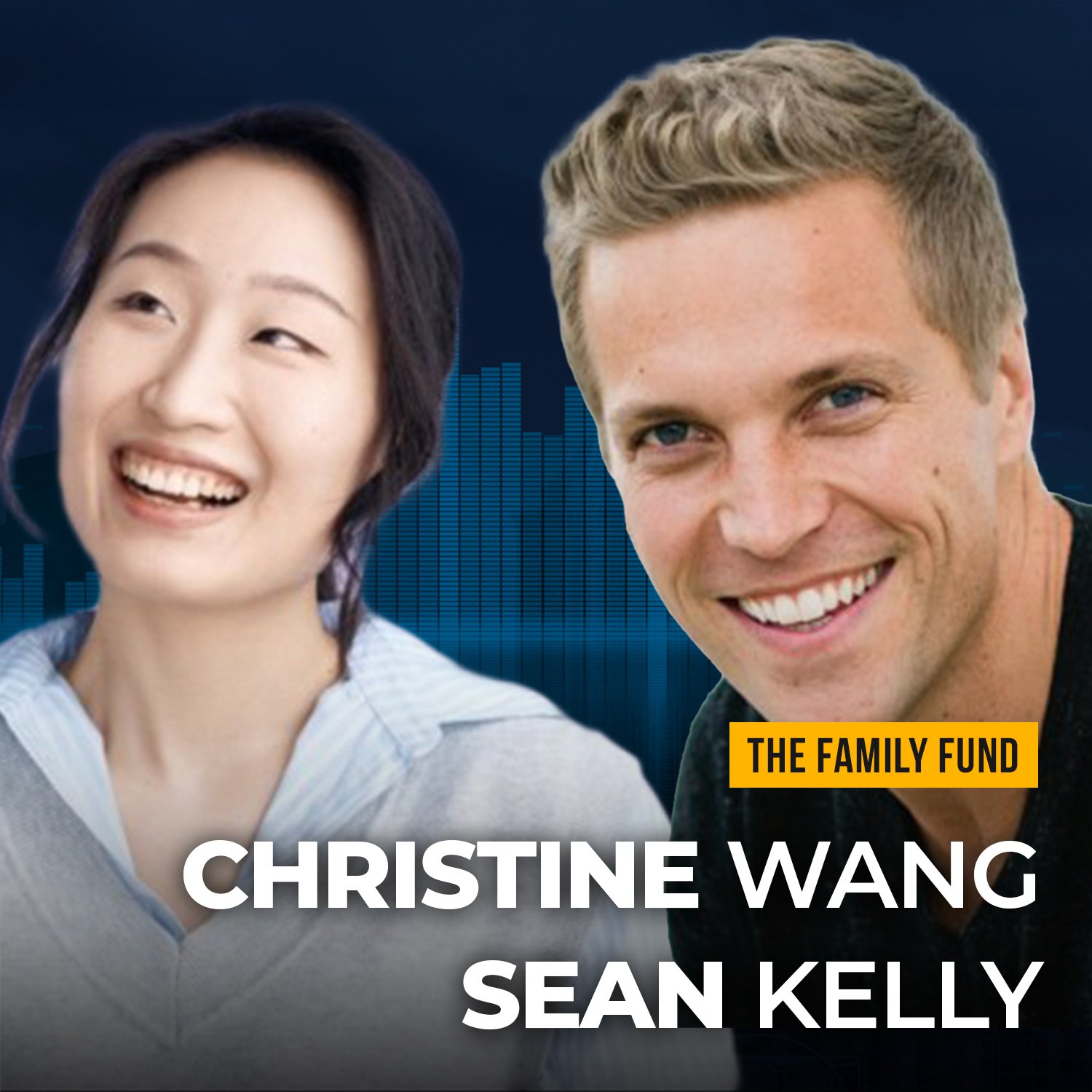
Today's episode is brought to you by Dakota Marketplace. Are you tired of constantly jumping between multiple databases and channels to find the right investment opportunities? Introducing Dakota Marketplace, the comprehensive institutional and intermediary database built by fundraisers for fundraisers. With Dakota Marketplace, you'll have access to all channels and asset classes in one place, saving you time and streamlining your fundraising process. Say goodbye to the frustration of searching through multiple databases and say hello to a seamless and efficient fundraising experience. Sign up now and see the difference Dakota Marketplace can make for you. Visit dakotamarketplace.com today. Well, this is a very special episode on the Dakota Live Podcast. As our audience knows, we spend a lot of time speaking to asset allocators. So manager research professionals who spend time reviewing, analyzing, and assessing investors for potential inclusion into their asset allocation models. But every now and again we make an exception, and we interview the asset managers themselves. Now, I can't help myself. I teach venture capital at Drexel University, so when I have the opportunity to talk to a couple venture capitalists, particularly early stage, I get very excited. And I'm very excited about today's conversation. I am here with Sean Kelly and Christine Wang, managing partner and partner with the Family Fund. So please welcome them to our show and we're very excited to get this conversation going. Sean Kelly is a three-time Inc 500 listed entrepreneur and a general partner at the Family Fund and Founder Community, a Los Angeles based venture firm that backs consumer and consumer tech brands at the late seed series A stage. Before turning to investing, Sean built and led multiple companies across e-commerce, SaaS services and consumer goods, which together have generated well over hundreds of millions in revenue. Most notably, he co-founded and served as CEO of SnackNation, later rebranded as Caroo, a workplace snack and employee engagement platform for distributed teams which under his leadership built a large workplace, customer base and strong culture. In his current role at the family fund, Sean invests across consumer-oriented brands, direct to consumer, SaaS for consumer adjacent and emerging lifestyle retail businesses, all with strong, repeatable unit economics and scalability. He and his partners emphasize operator led value. The firm's secret sauce is built on a deep network of founders, entrepreneurs, and operators who actively mentor open doors and help the companies scale rather than simply write a check. Sean holds a degree in biomedical engineering from Columbia University and earlier competed at high levels in freestyle snowboarding. He is a two-time national medalist. He is based in Southern California, is married to his college sweetheart Shannon, and is also the father of a daughter and goldendoodle named Jameson, who also features playfully in his entrepreneurial narrative. Christine Wang is an avid supporter of the consumer ecosystem. She brings a decade of investment experience across the full business life cycle. Most recently, Christine helped build out the consumer investment fund with $600 million in assets at Devonshire Investors, prior to which she had the chance to work with and learn from many iconic brands at VMG partners, as well as execute on platform buy and build strategies at brightstar Capital Partners. She started her career in investment banking at Deutsche Bank. Christine is a graduate of the Wharton School at the University of Pennsylvania and is from Maryland. Originally after spending her childhood in Japan and China. She's the East Coaster on the team currently based in the Boston and New York City areas. Sean, Christine, thank you so much for being here. Welcome to Philadelphia. Welcome to the studios.
Sean Kelly: Thank you for having us. We're thrilled to be here.
Robert Morier: Well, was it hard coming from California? The weather in Philadelphia?
Sean Kelly: Well, the weather's expected a little gray and rainy today. But we got a lot of sunshine in California, so that's good.
Robert Morier: Well, coming down from Boston it's probably like summertime here.
Christine Wang: That's right. And also, I always enjoy being back in Philly because I went to school here, so it's nice and nostalgic to be back.
Robert Morier: Well, we're happy to have you back in Philadelphia. Thank you for being here. So, Sean, think back all those years, you're at Columbia University. Did you ever think you'd be launching an early-stage fund focusing on consumer? What was the thought? What were the thoughts back then?
Sean Kelly: Back then when I was studying biomedical engineering, initially at Johns Hopkins and then transferred to Columbia to finish up my studies, I thought that I just wanted to focus on improving the health outcomes of individuals and people, and my initial thoughts were that I was going to be a cardiothoracic surgeon. But what I realized at Columbia Presbyterian while studying at the University, that as a cardiothoracic surgeon, I was primarily, I would be primarily operating on people after they've made a lifetime of poor decisions. And so I realized that I actually wanted to go into health. And through that practice and that understanding, I realized that maybe Med School was not the best path for me. Instead, I should focus on improving the nutrition and health outcomes of individuals through business.
Robert Morier: Christine, was your journey mapped out when you were an undergraduate or what were the thoughts back then?
Christine Wang: No, not at all. A very interestingly started in a similar place studying biology and finance over at Wharton. And so I think the thinking there was also going into medical field but potentially combining that with business someday. However, I think all started with an investment banking internship, and I didn't look back because I just love what I do and really love being in the investment space. So yeah, totally unexpected, but really happy to be here.
Robert Morier: So Christine, thank you for sharing your background and what you were thinking at that time. You did take the road of investments. So when you think about the investment ecosystem as it relates to early-stage venture, what were some of the Mile markers that you experienced in your career that prepared you for early-stage venture, specifically in the consumer space?
Christine Wang: Investors find themselves into early stage investing in a variety of different ways. Sean myself, we exemplify two very different paths towards where we are. I think given the path that I took, which is really building my career in investing, I think that in preparation for being an early-stage investor, my opinion is that it's always better beneficial to build your foundation on. I would say more depth earlier on in your career because part of the dialogue around early-stage investing is that there is more people. There is more vision, there's more growth. However, I think when you start as an early-stage investor have to be able to understand how to support your company all the way to exit. And to be able to do that, I think understanding what the landscape and what the business cycle looks later down right when they're much bigger companies is helpful. And so that's why I think having rooted my career in more, I would say analytics and data from later stage investing, such as private equity and growth equity, really did help prepare for a career in early-stage investing.
Robert Morier: So, Sean, when you think about the mile markers for your entrepreneurial journey. What were some of those experiences that you've taken with you to this point, now running the family fund with your partners?
Sean Kelly: The first one I think of is I was running a company called helping unite mankind and nutrition human. And we placed healthy vending machines at universities, office buildings, and schools across America. And I remember being so excited when we first placed our first machines at the University of Florida. And I came back to a week later to check the cash box and was expecting it to be overflowing, and I found $7 in it. And that's when I realized the importance of giving people what they want, not what they need, and that a great business will actually do both. But just giving people what they need isn't always the best path of business. When it came to SnackNation, SnackNation we had a wonderful team. We delivered a emerging snack and beverage brands into over 20,000 offices across America. And we won many of the culture and leadership awards under the sun. And what that taught me is that every single individual, especially the younger generation, they want a, they're seeking a purpose and they're seeking a reason to exist. And they want to that their life matters and they want to be a part of a community. And if you can help connect people and align them not only with others, but also with the purpose and what they're supposed to do in the world, they will break through walls for you, and you'll be able to build a beautiful culture and organization. And then with Boom Boom, I think of that business, which has had some great success over the years. I think the wonder and beauty of being able to hire an excellent manager and operator and then get out of their way. Because I founded that business but then brought in our first employee ever at Human to run it. And over the last 10 years, he's built Boom Boom into a machine and an amazing cold and allergy platform. And primarily on his own merit. And so I think that's also what I took into investing in finance is one of the most important things is investing in the right founders, investing in the operators, helping them where you can, but also knowing when you should just get out of the way and let them run.
Robert Morier: So why did you stop? Why did you decide to launch the Family Fund? What was that aha moment to leave that train to get on another?
Sean Kelly: Yeah, so in 2018, my fellow general partner Josh Wand and I held a summit in the Hamptons of New York. And our goal was to bring together the top emerging brand in consumer founders and also the global strategics that are best positioned to buy those brands. And we brought people together. And it was this amazing, multi-day affair where we broke down walls and discussed topics that usually are not discussed of, what are M&A? How do you do it right? How can it be improved upon? What are the things that are unsaid? What are the things that should be done that haven't been done in the past? And through that experience, we would also talk about all of our investments, because many of these founders, Josh and I had invested in from an angel capacity. And it was then that the founders were recognizing that Josh and I had an angel invested here, they said, oh my gosh, you guys have this wonderful access into these founders and into these brands. Why don't we all invest together? Is there a way that we can pool capital and invest with them so that instead of it just being you guys, that we can team up and represent this community of founders? So in 2018, where we first got the ideas, as Josh and I were building summits and building events and building communities. And in 2020, during COVID, when the world had shut down, Josh and I were hanging out and discussing what we wanted over the next few decades of our lives and our careers. And we said, hey, this maybe is the time to make it happen. Let's put something together here that deserves to exist in the world is differentiated and is the fun that we would want to have as we've been building and scaling companies.
Robert Morier: And it's built around a community of operators and founder LPs, how does that model change the founder investor relationship?
Sean Kelly: I don't know If our community of founder and operator LPs necessarily changes the founder-investor dynamic. I think what's unique about us is that we believe in an open-source model. So I think you have a lot of funds out there where the LPs maybe are not connected to the portfolio companies, and we want to put everybody together. Our belief is that as GPs, it is our responsibility to truly drive meaningful, positive change with the portfolio companies and the founders that we support. But we also recognize that we can only do so much. So our focus is on helping founders with revenue, talent and then connections in community. And that last component is ultra important because when you put together a, for Fund Two we have over 100 experts and LPs and operators and founders in our network. And we are able to tap into them and tap into that power so that we don't necessarily need to everything ourselves and can sometimes just make one little phone call to connect people and change the outlook of that business.
Robert Morier: You've mentioned Josh, we're here with Christine. What does the team look like today?
Sean Kelly: Yeah so, the team for Fund One, it's currently a small and incredibly focused team. Christine, as our partner who really serves as our deal QB and head of diligence. And I think when it comes to consumer and consumer tech diligence, Christine is world class. One of the best. Josh and myself are the GPs. We also have Colleen as a vice president, an investor that works at top of funnel. Josh, if you get to know him, is the finest connector and relationship guy that I've ever known. Dear friend, a phenomenal partner, but my objective as a GP is to ensure that I'm setting the people on our team up for success. And so my goal is to really manage and operate the fund. I spend about 50% of my time connecting with founders, with LPs, with co-investors, whereas with Josh, I try to get him to spend 100% of his time there. So Josh is focused on top of middle of funnel and supporting our portco's and I have a bit of a blended approach to really operate the fund.
Robert Morier: Christine, what is quarterbacking due diligence look like from your seat?
Christine Wang: Running a diligence process is one about thoroughness and comprehensiveness. Of course, we want to be as thoughtful as possible. However, I think it's also highly important, especially when you're dealing in earlier stage venture, to understand how to customize the right diligence process for the right companies. So we take a very tailored approach. So I think, having done this for many years and having been in consumer for many years, what it shed light on is very quickly you're really able to see pattern recognition. You see a particular type of company and where the potential pain points could be coming from a couple years down the road. And so knowing what the main gating questions are and digging in deep there, I think that's something that's really important to us. Because as much as we want to learn everything about the business and we try our best to do it, we also that operators are people and they're running a full-time business. They're busy. And for us, being good partners to our founders is very important. And so we try to be as efficient as possible as well, while also being thoughtful.
Robert Morier: So would you mind taking a step back. Just an overview of the Family Fund, so we understand what the strategy is. What's the philosophy behind your investments?
Sean Kelly: So the family fund is an early-stage consumer ecosystem investor. We allocate about 40% of our investments into series A, 20% into seed and 40% into opportunistic growth and reserves. What does consumer ecosystem mean? That means we invest about half of our capital into physical products. Think high margin, high repeat categories such as food and beverage, beauty and skincare, pet and VMS, which is vitamins, mineral supplements. And then also healthtech and longevity tech and commerce enablement technologies that sell directly and serve consumer brands. The model, we believe, is differentiated in a couple of different ways. One of those that is most important to us is that we're community driven. We have over 100 operator and founder LPs. We do not just accept anyone into our network. We really want to make sure that at least the base and the foundation of our LPs are operators that can truly move the needle with the portfolio companies that we support. Naturally, founders also usually have really good access to great deals and understand what's happening. So they're great signal for us, great data points, and they really help us extend the value that we provide as GPs beyond what just what a small team can do. It's a $100 million fund. We believe that specialized fund size and that agile structure allows us to deliver above… better returns because we have a little bit of flexibility in terms of stage and check size and don't have to lead in absolutely everything.
Robert Morier: Why two verticals? So taking consumer products and consumer technology. Why not just focus on consumer products? What was the benefit that you saw when you were launching this strategy to focus on both, essentially both sides of the business?
Sean Kelly: We only invest in areas that we very well and where we have deep expertise and experience. Josh and myself have actually built companies on both sides of the flywheel, both consumer brands and technology and service companies that service consumer brands. So we feel like those spaces are aspects that we quite well. On the consumer brand side, we think investing in consumer brands is, as long as you have the pattern recognition and the deep know-how, and understand what data to look for, on the consumer side, we think it's a great way to really raise the floor in terms of your fund returns and what you're able to produce. On the technology side, I mean, we know our consumer brands inside and out. We've been building in this space and been interacting with founders and selling into them for the last couple of decades. So we know their pain points, we know what they need. And so when we meet technology companies that are selling into brands and trying to support the consumer ecosystem, it's quite simple for us to take that product or that service, test it pretty quickly with our network and actually be able to call whether or it is that real, real value that's needed in the ecosystem. So it's a nice flywheel. We obviously, I think, as investors, if you look at where you can help your companies the most, we think it's through delivering them revenue, helping them with their talent and their team, and then giving them the connections that they need to make meaningful progress around whatever milestone that they're currently focused on.
Christine Wang: On the technology side, especially to what Sean is saying, I think as we chat with companies in that realm, we find that there's real excitement in terms of what we're bringing because I think different than a generalist technology investor who might be helpful in certain realms, what we can do is actually deliver to them, an increase in their pipeline or even a conversion of their actual customers. So being able to bring, I think, that asset as well as bringing a view, I think a very strong one on monetization, on the business end, really allows us to take a differentiated view in terms of investing in technologies as well.
Narrator: Dakota Marketplace provides the industry with the highest quality and most up to date GP, LP, private company, public company data, as well as performance benchmarking and a number of other different data sets that the investment industry is fueled by. We're excited to announce that all of that data is available now via our customizable and bespoke APIs. You can create an API that will plug into any CRM or use some of our pre-built APIs with Salesforce, Snowflake, and a number of other CRMs that you can find on our website. To learn more about Dakota's API offerings and create a custom package that best suits your business. Go to Dakota.com.
Robert Morier: Can we talk a little bit about the case for consumer? Because venture investors have oscillated on consumer over the past decade. Why do you believe now is the right time to be looking at the sector?
Sean Kelly: First of all, about 70% of GDP is consumer. So it is a big and important area that we think is resilient and will continue to exist for a long time. But I think if you look, there's several reasons. I mean, I think if you look at 2016, 2017, about 35% or one third of venture dollars were going into consumer. Right now that's in the single digits. We believe that right now is a wonderful time to invest in consumer as a result of fewer dollars flowing in. You've had some valuation compression, especially with the economic cycle that we're in, and we think people will flood back into consumer over the next few years after they see the performance of the 25, 26, 27 vintage funds. And I think at the end of the day, the consumer is the lifeblood of this country. I think there's individuals who do not or maybe allocators that don't come into consumer. One of the things that we've heard before is because they don't know how to maybe differentiate between what's a fad and a trend. And we think that if you have a deep, deep expertise and experience in the sector, if you've been a builder in this sector, if you've existed for many years with the founders and built yourself in the space, that you actually have an unfair advantage. And I think in consumers it's really interesting too, because you actually see you have so much data. There's so much data out there where you can, as long as you know what to look for and how to check it out, we think it provides phenomenal, great returns.
Robert Morier: Christine, quantitatively, how do you screen out those fads? I understand it qualitatively, Sean, it makes a lot of sense, particularly with your experience. You've kind seen things come and go. There's a lot of pattern recognition within that. But when you think about the numbers, when you're digesting these companies, what are you looking for quantitatively that helps you stay the course with the diligence cycle?
Christine Wang: I would say it's a couple of different pieces. For one, in terms of just the amount of data out there that Shawn is alluding to that is absolutely the case with consumer. In fact, I would say that in many cases, for earlier stage businesses, there's actually more data and more signals for consumer businesses because of the volume that you get compared to say, a SaaS business. And so what we do is often you have multiple different distribution channels. You could be on B2C, your own e-commerce site, or you could be on a platform like Amazon, or you could be in a retailer and each one of these channels have their own data sources. Obviously, DTC that's your own data. So we're of course, very focused on retention and repeat. Especially if it's a subscription business. That's something that we're looking at all the time. It's not just about the growth but it's about the sustainable growth of the business. Similarly with Amazon there is a ton of KPI and data. And this is how are the conversions going? How are the CACs going? Are you growing AOV? All of these, I think, are early signals to whether this business can be really large. Now, if you are a earlier stage business and you're already distributed in physical source, which is in itself a very strong signal to performance because it takes a lot to convince retailers to take on and try out a new brand. And so if that's the case, then we have data from these retailers, whether that's through spins or IRI. These data essentially it tells us the velocity, the turns. Like, where the consumer's actual dollars are going. And that's tracked four weeks, 12 weeks, 23. Whatever time period you want to assess, that data is out there. And so we look at all of it and try to triangulate all of them to form a whole picture.
Robert Morier: When you think about investors who are familiar with consumer pre-COVID versus post COVID, do you think that may be causing a little bit of a hurdle as well for investors understanding what has changed? I know it's been five years, but it's been a dramatic five years for consumer, particularly with how they purchase. So when you think about pre-COVID versus post COVID, what have you learned through that evolution?
Christine Wang: I think one of the things that obviously has always been on an uptick but was very much propelled by COVID is the idea of online purchasing. We saw a huge spike in buying online that folks actually saw… I mean, there was huge debates about is this sustainable or not? But we've checked out the latest data. E-commerce nowadays have sustained that level of elevated purchase and continues to eat away shares of physical retail. And so I think that trend only presents more and more opportunities for consumer brands, for innovation. Because what digital purchase allows you to do is it allows these smaller innovators to be in front of consumers so much more easily than years in the past.
Robert Morier: Sean, you've said that the best consumer businesses pair emotional resonance with rational economics. What does that look like in practice? When you think about this evolution of how the way that consumer goods have been purchased, particularly over the last eight years, how do you balance the two?
Sean Kelly: Well, one of my favorite books is a very quick read. It probably takes an hour or two is who do you want your customer to become. And I think that any time that a consumer is making a purchase, they're actually want that purchase to do something for them. And the consumer is in this continuous state of wanting to get better. And if you look at consumer transformation, I think the best brands, the best products and services serve as a guide to their customers positive transformation. And you look at the areas of transformation. It's really emotional, physical, and spiritual. Very few brands can hit all of them, but if you do and you that guide across those three different planes do very well. So when I think of emotional resonance, it's how does this product make the consumer feel? When I think of physical transformation, we invest primarily in health and wellness companies. We invest in real science and real and in products that actually help somebody experience a better life, not just sugar water. And so hopefully they allow for that physical transformation. We believe that if you help somebody improve their health outcomes, there's few better things that you can do for their life or their family. And then in terms of the spiritual transformation, we think of that emotional resonance of, does this brand have a community? What does it say when you're carrying this brand? What does it say to about your identity? And is there a rich community that helps people feel connected and feel like they have a stronger purpose in life? For us, economic rationality comes down to is this a good business. Does this business have above average margins? Do they have a clear path to profitability? Do they have that brand strength? And that is also reflected in phenomenal repeat purchase, great velocities and amazing retention, which is still the most important thing. Has this brand created enough resonance to create customer love?
Robert Morier: I'm curious about community. Is community more than the number of followers? What is community exactly? Because I hear community and I think about social media and their social media footprint and their presence. And do they have the platform to support whatever e-commerce sales strategy that they're looking to employ? So when you think about community, what does that mean? Quantitatively? And then maybe a little bit more specifically qualitatively?
Christine Wang: Every brand or I would say every consumer facing company will want to build community to a certain extent. But the question is, what are you building a community for and what is it actually doing for your brand. So I think there's a couple of different levels to community that I think about. One is you say, hey, our brand resonates with this community of people. It feels like that; I guess that conversation is a little bit more one way. You tell your brand story and your community receives it. Now, what's even better than that is community engagement. It's where the community is so fired up about what you're doing that they actually want to talk to each other or I mean, in the world of UGC, where everyone's a content creator. We're all content creating right now. People who actively want to go out there and tell the world about how much they love you. And that's the next level of community. And then I think what Shawn alluded to earlier, to me, is the ultimate community is where that brand becomes that consumer's identity. I'm sure all of us can think of brands where wearing it makes me feel like I'm living to be that aspirational person that I want to be. And so there's so that's why I think there's different types of community engagement and the goal that I think every brand strives for is to reach that ultimate state where they really mean something very personal.
Sean Kelly: And also, I mean, community is a very overused word in the world. And people say, I'm trying to build community. We have this great community. We can see whether or not you do in your metrics. And it's not just metrics in terms of followers on your social engagement account. It's what's your percentage of organic acquisition versus paid. You one of the things that I think that people who don't really understand consumers, sometimes they come in and they're like, oh my gosh, look at the phenomenal growth. This company's got great top of funnel. They're acquiring all these new customers. Like, yeah, they got 60% marketing to revenue spend. That's not community. Anybody can go and spend dollars on Meta. And that's a losing proposition long term. But the companies that have best community, that have the best community, and have really created some real depth there, which, by way, requires a lot of work. But those are the brands that have the best repeat purchase rate and the best organic acquisition, because by the way, people are going out and telling their friends and family, and there's word of mouth and word of mouth still matters a lot in consumer. It's probably still the most important thing in consumer, whether that word of mouth is through an Instagram reel or it's through me talking to you after the show, Robert.
Robert Morier: Excellent. Thank you for sharing that. So then, based on community and the way that you define community. Talk to us about Founder Land. So what does Founder Land mean for the community that you have all built or are building as it relates to the Family Fund?
Sean Kelly: The idea for Family Fund started in these communities, and these events and these summits of bringing together the top decision makers in this invite only forum to experience unique moments together. And we realized the magic of that, especially in this digital world where so many of us are not spending as much time IRL connecting as we'd like to. So Founder Land stemmed from the idea behind stemmed from our AGMs and what we call our Family Reunions, where we bring our 100 plus founder LPs together. And our third time, our third time doing this, one of the things that we would do is we'd bring outside members for our community and other investment opportunities, and maybe even sometimes other co-investors or other founders that we were exploring but were not yet a part of our portfolio. And we ended up getting feedback that was one of the aspects of our summits and our family reunions that our LPs liked the most. We said, ok, wait, we have this, we have this networks, these relationships that we built over the last 20 years. We look at all the other events in our industry that feel somewhat transactional, or they feel like they're maybe trade shows, and they feel like you're inundated with salespeople or people trying to sell you something. And it's so hard to find the founder or the decision maker or the head of merchandise. We said, all right, what will happen if we can really be the benefactor of the industry, connect people meaningfully, but connect people, connect the decision makers themselves? So that is the founders, the heads of retailers, the heads of the strategics and then our favorite partners of co-investment funds, and we bring them together. And this last year was 800 invite-only guests descending in Calamigos Ranch in the Malibu mountains. Santa Monica Mountains of Malibu, I'm sorry. Yeah, it's a wonderful and I think, real world expression and manifestation of what we're all about. And that's bringing people together and connecting them.
Robert Morier: Sounds like a good sourcing environment as well.
Sean Kelly: One of the things I've learned, and that is different than as being an investor versus being a founder, is that a founder, you can afford to be incredibly focused and somewhat selfish on your pursuit. As a venture investor, especially at the early stage, it's really important to collaborate, to connect. And I believe those individuals who are the most collaborative, are those investors that can eventually win, will get the will get the best deal flow, and we'll have the best reputation in the industry. And so founder land for us is an opportunity for us to be a benefactor of the industry by bringing the best people together. And yes, it's a great source of deal flow, and it's a great way to showcase our portfolio companies and give them beneficial access and presence and do all of those things with all the movers and shakers in the industry. But it's also a place for people to create meaningful connections, to form new partnerships, to hire new teammates. We say it's where founders have fun and it's where deals get done. And in fact, we recently learned this past year, one of the brands that was exhibiting and activating at Founder Land was founded the year before at Founder Land. And so for us again, it's that idea of being a benefactor, which is something that we like to do. And it's a grand word, and maybe it sounds a little bit ambitious, but we think if we do that, value will come back to us in spades. Maybe not right away, but certainly over the long term.
Robert Morier: Christine, it sounds founder land gives an advantage in terms of distilling the number of opportunities that are available to you, but it probably still feels a little bit like drinking water out of a fire hose. Lots of companies coming at you. Lots of themes. How do you manage your excitement as an investor, particularly when you've been working in consumer for as long as you have with the experience that you have.
Christine Wang: The fun part of being a mentor is that you are constantly flooded with new ideas, fantastic founders. All bring something different to the table, all having dreams of their own that can get you excited. But for us, I think in terms of back to basics is reminding us that yes, we foremost work for our LPs, we're investors. And so one of the debates that I have with myself, and we have as a team is there's something to be said about great businesses, but not every great business is a great investment. So how can we make that distinction and keep a very clear mind when we're talking about those two things? Because a great business we can still love, we can support, but if it doesn't yield the type of return that we want for ourselves and our LPs, then it's a no go. So it's constantly reminding us of ourselves about that. And then using, back to the idea about data, infusing data into our decision making. Because I think one of the power about consumers is that it's easy for everyone to feel something about consumer. Whether you're a consumer investor or whether you're just literally a shopper. Everyone's opinionated. But how can we check ourselves on our opinions? Knowing that not everything that we invest in, we're not the target consumer for every company. And so how can we see the broader vision. How can we actually understand the real TAM here? And how can we understand in terms of the actual target consumer, what behavior is needed for them to actually want to adopt this brand? Think outside of ourselves and be objective. So it's just something that we have to always check ourselves on.
Robert Morier: How do you check those biases? Because we all come to a strategy, a portfolio, a fund with our own biases based on our careers, our experiences, whether it's family, friends, or professional. So how as a team do you manage those biases? How do you check each other?
Christine Wang: A lot of healthy debate during our meetings. Absolutely I think that's a big piece of it. If you were to ever listen in our meetings, we don't hold back. I think it's calling each other out on our own entrenched biases but also doing that work ourselves. So I'm constantly on Instagram, TikTok, Reddit, wherever people have, quote unquote, community, I'm there because I want to read about what other people feel and what other communities say. Similarly, offline. Sean, I was just at Sephora yesterday walking. I sent him pictures. And when I grocery shop, it's because consumer's everywhere, it also means that I could be doing market research everywhere. It does mean that the job is 24/7. But also, it's fun. Because it allows you to understand what the broader consumer base is looking for.
Robert Morier: When you're walking those aisles, are you paying attention to the strategics as well? What's missing from their shelves as it relates to what's available in the smaller brands that are potential acquisition targets?
Christine Wang: Yeah, absolutely. You put it really well. I think you would do a good job being a consumer investor.
Robert Morier: Thank you.
Christine Wang: But that's exactly it, because one of the things that we constantly keep tabs on, Sean, Josh, myself, is that we need to the exit landscape. And the exit landscape are the strategics that you're talking about. So knowing who they are and knowing the house of brands that they hold, every category, you'll see where the category looks tired. It's the same names year after year after year. And then there are categories where it's all new names. You don't actually even see these, quote unquote, legacy strategics playing there. Now, is that where the opportunity is? Potentially. But absolutely. It's something that we're always watching out for.
Sean Kelly: And one of the great things about Founder Land is we have a consistent excuse to connect with strategics and retailers and find out what their strategic plans and desires are. And that's great because we get to hear from them in terms of what they're seeking, in terms of their M&A pipeline. What are they looking at? And also, we're able to give them ideas for things that we're seeing that we believe could be great fits and have that dialogue on a consistent basis.
Narrator: For years, legacy data providers have made private fund performance benchmarking complex and expensive. That's why we launched Dakota Performance and Benchmarks, the first ever benchmarking platform built by people who are using the data themselves every single day. We've made our benchmarking affordable, customizable, and very, very easy to use. You can log in to Dakota Marketplace today to start creating your own benchmarks and viewing our benchmarks. Or you can learn more and book a demo at our website at dakota.com.
Robert Morier: So what are some of those consumer themes that you're most excited about today as investors?
Sean Kelly: Yeah, there's a lot. So when we're thinking of themes, we're thinking about where is consumer behavior, where is consumer transformation headed? Because we want to invest in sustainable companies and sustainable trends, not something that's going to be here one year and out the next. A few of these themes that we're most passionate about is one is longevity and just healthspan extension. You're seeing, in the quantified self-movement, you're seeing people being more and more passionate about diagnostics, getting their biomarkers, understanding what those markers are and what they mean. And we love and are very interested in the layer beyond that, the layer that's being built on top of these diagnostics platforms there that are going to be able to take all this data and then inform people what they can do with that data, to live healthier lives, to prevent premature death, and to cure or prevent disease.
Christine Wang: There could be so many more. I think that could be a whole podcast in itself. Going back to the idea that our fund's DNA is built on this idea of health and wellness. And so one of the things that we care a lot about is that health and wellness, that idea of striving to be a better person, it's not just reserved for the select few. That means not backing products that is way outside of the price range for the average consumer. It's not backing products that feels extremely, extremely advanced or needs too much education to adopt. So one of the things that we're constantly thinking about is, where is the intersection between integrating your health and wellness into other parts of your routine that you already have going on? And so that's really the overarching umbrella that ties together how we view even food and beverage. I think that's actually a pretty obvious one. But beauty and personal care, pets. And so thinking about how that runs through every category and then having subthemes specifically dedicated to each of those categories. That's really, just for your reference, how we think about constructing thematics that we can actively go after.
Robert Morier: What is a category that's run its course, that you have learned from, that you can apply to some of the themes, some of the areas that you're currently focusing on?
Sean Kelly: It's an interesting question in terms of a category that's run its course. One that jumps to mind, and if it ever was a real category, but as alternative meets. So you had an insane amount of money going into plant based, Frankenstein, cell-based meats. I mean, billions and billions of dollars. And the problem with that particular category, an area of product innovation, is that the product actually wasn't better than the alternative, which is actually meat. And when I say it wasn't better, it was never as good tasting. And also it wasn't as healthy for you. So if you think about it, consumer trends that are sustainable and long lasting, and categories that will continue to exist, they tend to produce a better customer experience over time. And that could be an increase in efficiency, lower pricing, so there's greater accessibility. But in our realm, it means that you're probably delivering better health outcomes for the consumer.
Robert Morier: Alternative meats is a great example. I'm just curious, when you think about wearable technology, what inning do you think we're in terms of wearables? So if this is a baseball game, are we still in the early innings or are we calling the middle inning picture pitcher right now? Or are we starting to see… again, not that it's going to run its course, but I'm just curious where you see wearable technology. It's a question that the students ask often, and we think about often because we see it coming from so many different directions right now.
Sean Kelly: If you're a believer in the continual advancement of technology and the continual advancement of health care, and disease prevention and improved health outcomes, I think you have to think we're in the early innings. I mean, my immediate answer would be maybe we're in the middle innings. But wearables, I think what's interesting about wearables is so far in this quantified self-movement, we're all collecting a lot of data. But what are we doing with that data? So you had a lot of people wearing Oura Rings or Whoops and they just realized, oh my gosh, I have constant data, but it's constant anxiety, and I don't what I'm doing with this. Am I actually doing anything with this data? Because otherwise it's just taking up space in your brain and in your life when life and is so short. We only have 24 hours a day. And so what we think is really interesting, what the next inning will be, whether we're in the second, third, fourth or fifth, are the companies that actually help you take that data and transform it into real life change. And so one of the businesses that we invested in is a company called Elemind, that helps you track and understand your various brainwaves, but actually what it does in tracking your brainwaves, it helps modulate those and then lead to you falling asleep and staying asleep longer. That's interesting because it's actually a wearable that you can wear that actually improves your life. We're also, as Christine was speaking earlier, about just focusing on the everyday consumer and the average person. And I think there's this world of the everyday biohacker or these health maxers that I think we also we want to find the middle. It's why we like to invest in a brand like Smash Foods. It's a healthier alternative to snacks that both adults and kids can eat and love and has meaningful manufacturing differentiation. It's not all about health maxing. Like, a big part in something that we're really focused on is continue to enjoy life.
Robert Morier: I like your comments about wearables. I think action items to be able to apply to your life are important, rather than just being told the next morning that I didn't sleep well.
Sean Kelly: 100%.
Christine Wang: It's like I already knew that.
Sean Kelly: Yeah, thanks.
Robert Morier: Thank you.
Sean Kelly: Thanks for now making me feel worse.
Robert Morier: Yeah, yeah, I completely understand. Thank you for sharing that. It was very insightful because I think that's one of the things we talk to a lot of investors on this show as you. So when allocators come on, I think one of the things that they're challenged by in all early-stage VC is just that. It's the trend versus the durable path to success strategic make a lot of, strategics make a lot of sense. And the M&A activity that takes place in consumer makes a lot of sense. But they see those trends every day, mostly on their phone. So I think they get caught up in that at times. What other common concerns or questions do you find that institutional investors have around the consumer space.
Sean Kelly: One misconception when investors and allocators are looking at consumers, thinking that it just comes down to taste, and maybe… and a shotgun approach and you got to invest in a lot of brands because you have no idea which one's going to win. And that's just not the case at every stage. I mean, maybe outside of precede, but at every stage, especially where we primarily invest and that's 80% of our dollars into A and later, you have lots of data. You have data suggesting, is this product winning, is the category expanding. And then if you have the great relationships with strategics and retailers understand, is this an interesting category where they may where strategics may pay up and acquire this. You can go and collect… you can go and do the work to decrease your risk and understand where the best potential rewards are. So I think that's one thing and requires a lot of pattern recognition. And obviously if you've been building in this space for multiple decades and connected with a lot of 100s, a lot of founders, and you've seen a lot of successes and a lot of failures that signal that pattern recognition can really help. I think another thing that people talk about is moat. Is, oh, is there a moat in consumer? Especially when you talk about physical products. Well, one I would point to if you have allocators that are investing a lot of capital, for instance, into the B2B AI space right now, I'd say I think moat, I mean, is there a moat anymore in that sector in terms of when as we're democratizing software development. And that's becoming less and less of a differentiator in anybody. You, Robert, Christine and I can go and vibe code our way to knocking out some software that we have up and running tomorrow. What are the moats? And the moats still come down to the customer experience. Who has the best customer experience? Where's the customer love? Who has phenomenal distribution in not only top of funnel, but middle and bottom of funnel? Who is actually delivering a product and service that customer is continuing to use over and over and over again? So obviously there's additional moats in terms of data and being first to market in some of those. But we think, we actually think consumer has just as much moat in protection as a lot of the technology companies that they're often compared against.
Robert Morier: Could you talk a little bit about portfolio construction? So as you're building the fund the two verticals are intuitive. So consumer and consumer technology and how they're symbiotic. But when you think about building the fund and constructing a portfolio of companies, what other factors are you considering when it comes to the actual creation of the strategy?
Christine Wang: This is something that we talk about internally all the time, and I think what we've created, it's a version that works very well for the current AUM that we're tackling right now, and it's also one where it's thoughtfully constructed for in our minds, the best risk reward from a stage perspective, as well as a timeline perspective on IRR and DPI. And so what that ultimately now looks like for our current fund is we're predominantly series A, as Sean had mentioned. So series A in our mind, especially when it comes to consumer and consumer technology, because of the data, because of the signals, everything we've spoken about earlier in this podcast, that to us is the best risk reward stage. And so typically we're underwriting to 5 to 10x plus on all of those deals. With, I think, a way higher floor. So a way lower loss ratio I guess, is the other way to talk about it. But with that said, to be able to make the best series A investments, we know that's critical to have our own proprietary funnel that leads to that. You're not just out there competing in every series A deal like it's the first time you're seeing it. You need that pipeline from pre-seed and seed. And so we have an optimistic carve out to be able to do that. Investing in some of these early companies is about 20% of our fund. Investing in some of these earlier companies where we see actually do have real moat, real IP, real manufacturing know how’s. Investing in some of those kind of bright, shining stars early so that we're there in the conversation. We're very close with the founders, and we can really double down and increase our ownership again in a de-risked way for series A. Coming back to the topic of taking care of our LPs so that they're not waiting forever for some real DPI. We have an optimistic growth bucket as well for exactly that reason. And these growth deals, we're underwriting them to 35x plus, in the span of three years to exit. So it's kind of a conglomeration of all of those factors that ultimately led to our current construction.
Robert Morier: One of the interesting things about consumer is that it's not geographically concentrated as much as say, technology, arguably. And please correct me if I'm wrong, but when I think about tech or frontier tech, you're basically in Cambridge or in San Francisco and Silicon Valley, maybe you're going to go to Austin and check out some of those companies as well. But consumer is interesting. Consumer can be in a small town. It can come out of a smaller city, whether it's Philadelphia, not that it's that small, but how do you think about geographic sourcing? Do you feel advantaged in a way, being on both coasts and being able to tackle it from the coasts in or are there other ways we could be thinking about it?
Sean Kelly: Yeah, we don't think as much about geographic sourcing. I think one of the reasons is we focus so much on our relationship edge. So one of the things that Josh and I committed to is we said, ok, we think we have an opportunity here to have the greatest access in the consumer ecosystem. And so we're not going to be the best at everything. But if this is going to be something where we're going to intensely focus, let's really do that, because at the end of the day, I think, if you don't have great access to the absolute best deals. Doesn't matter how great of a picker you are, you're not going to drive the returns that you want to have. And I think the relationship edge when it comes… it's one of the reasons that we have the LP community that we do. And it's not just founders and operators, but it's the top people at investment banks. It's the people who are actually it's the retailers, it's the distributors, it's the brokers, it's the branding houses. If you look at it from start to finish, in terms of launching a new consumer product, what do you need? You need a branding agency. You need a 3PL. You need fulfillment. You need a manufacturer. You're eventually probably going to utilize a broker. You're going to utilize a retailer. Well, us having connectivity, continuous connectivity and communication with all of those different individuals and entities throughout the ecosystem allows us to get the signal that we need. So if there's a product in where I'm from, in the sticks in Northern Michigan, you're going to learn about it. In consumer, as Christine indicated earlier see more data, you see more signal. People are putting their products online. They're trying to get into the same retailers. And so you can set up a system and a network that allows you to get that signal.
Robert Morier: These are the conversations that I wish this podcast was longer than an hour. It goes fast, as you can imagine. I'm going to ask you one more question, though. I'm not sure if you packed your crystal balls in your carry-on suitcases.
Sean Kelly: Yeah.
Christine Wang: Oh, yes, actually.
Sean Kelly: It is right out there.
Robert Morier: Good We'll go grab it. I'll ask Hassan, our Drexel University student who's in the audience, to go grab it.
Christine Wang: So we can give the perfect answer.
Robert Morier: Yes, but how do you see the consumer venture landscape evolving over the next three to five years?
Christine Wang: In the conversations that we have with LPs and as well as investors outside of those who are specialized in consumer, there can be a little bit of an ebb and flow, in terms of interest. However, I think what we really believe in is that the edge of the consumer investor will only continue to increase in the next 10 years. This is something that me and Sean and Josh deeply believe in, and it ties to something that Sean had mentioned earlier. Because as technology evolution continues to accelerate faster and faster, as AI continue to disrupt some of the tech notes that used to be much stronger, the differentiator becomes much more human. And so I think for us as consumer investors, we see the next 10 years as a tremendous period for the consumer investor to make really strong headways and take very differentiated views when it comes to those technologies that cater to consumers. That used to be more so in the playing field I would call it generalist tech VCs. However, we simply diligence these companies very differently. And so I'm very hopeful that in the next 10 years that the tech founders out there will have a greater variety of investors around the table that will help shed light not just on how to build the best technology, but also, back to Sean's point, how to build the things that have the best consumer experience.
Sean Kelly: Absolutely. The consumer user investor. So we're big believers that those brands and those companies and those investors that understand user experience will be those that win and identify companies early, that eventually take the number one spot in their categories. I also think that the move towards specialization will continue, even though I think there's some great generalist funds out there. I just think it's really, really hard to compete in a particular sector in a particular category against an investor who's built companies in that space, who's invested in a lot of companies in that space, who's operated, who's advised. And so I think the push towards specialization will continue because it's hard to be everything to everyone. And we just believe that we should only invest in areas that we really, really know and really understand.
Robert Morier: Thank you so much for being here. Thank you for sharing your insights on the Family Fund. Thank you for taking time to be in Philadelphia, to visit us at Dakota Studios. We wish you nothing but continued success, and we look forward to the growth of Strategy. So thank you for being here.
Sean Kelly: Thank you for having us.
Christine Wang: Thank you so much, Robert.
Robert Morier: All right. So this is going to be our first attempt at a lightning round. I figured since we've got some VC consumer investors in Philadelphia, which is a rarity, we are very excited to see where you are and an either/or type of situation. So Christine, I'm going to start with you, the investor, the quarterback. And then we'll see how the we'll see how the wide receiver does afterwards. Either/or, founder charisma or founder grit.
Christine Wang: We love both. But founder grit.
Robert Morier: Ok. Sean, a 10-slide deck or a full data room?
Sean Kelly: 10 slide deck.
Robert Morier: 10 slide deck, ok.
Christine Wang: Can I say full data room?
Robert Morier: There we go.
Sean Kelly: It depends at what level we're talking about.
Robert Morier: I like that.
Sean Kelly: If it's the 100 companies we're seeing a week, it's a 10-slide deck. Initially.
Robert Morier: I get it. Christine, first meeting, Zoom or in person?
Christine Wang: In person, if possible.
Robert Morier: Ok, Sean. Track record or trajectory?
Sean Kelly: Track record.
Robert Morier: Ok. Pattern recognition or character recognition?
Christine Wang: I'll say pattern recognition.
Robert Morier: Sean, this one's for you. Big vision or disciplined execution?
Sean Kelly: Disciplined execution always wins.
Robert Morier: Sounds good. Valuation, Christine. Art or science?
Christine Wang: I feel like I would get in trouble with saying art. So it's all science.
Robert Morier: Bootstrapped or well capitalized?
Sean Kelly: Well capitalized.
Robert Morier: Ok.
Sean Kelly: Wouldn't have a job otherwise.
Robert Morier: Harder to underwrite. Market risk or people risk?
Christine Wang: Market risk because people risk sometimes actually kills the deal.
Robert Morier: Interesting. Sean, biggest lesson. Success teaches more or failure teaches more?
Sean Kelly: Unfortunately, that God gave us this truth, but failure teaches us more.
Robert Morier: Failure does. Due diligence superpower, Christine. Skepticism or curiosity?
Christine Wang: Oh, curiosity all the way.
Robert Morier: Ok. Favorite founder trait, humility or resourcefulness?
Sean Kelly: Resourcefulness.
Robert Morier: Last question, Sean, thank you so much. What wins, a great idea or a great operator?
Sean Kelly: Great operator.
Robert Morier: I like it. Well, we are grateful to Sean and Christine for being here today. If you'd like to learn more about Sean and Christine and the Family Fund, please check out their website at www.familyfund.vc You can find this episode and past episodes on Spotify, Apple Podcasts, or your favorite podcast platform. We're also on YouTube if you prefer to watch while you listen. And for more content, please visit us at dakota.com. Sean and Christine, again, thank you for being here. Thank you for coming to Philadelphia. And to our audience. Thank you for investing your time with Dakota.