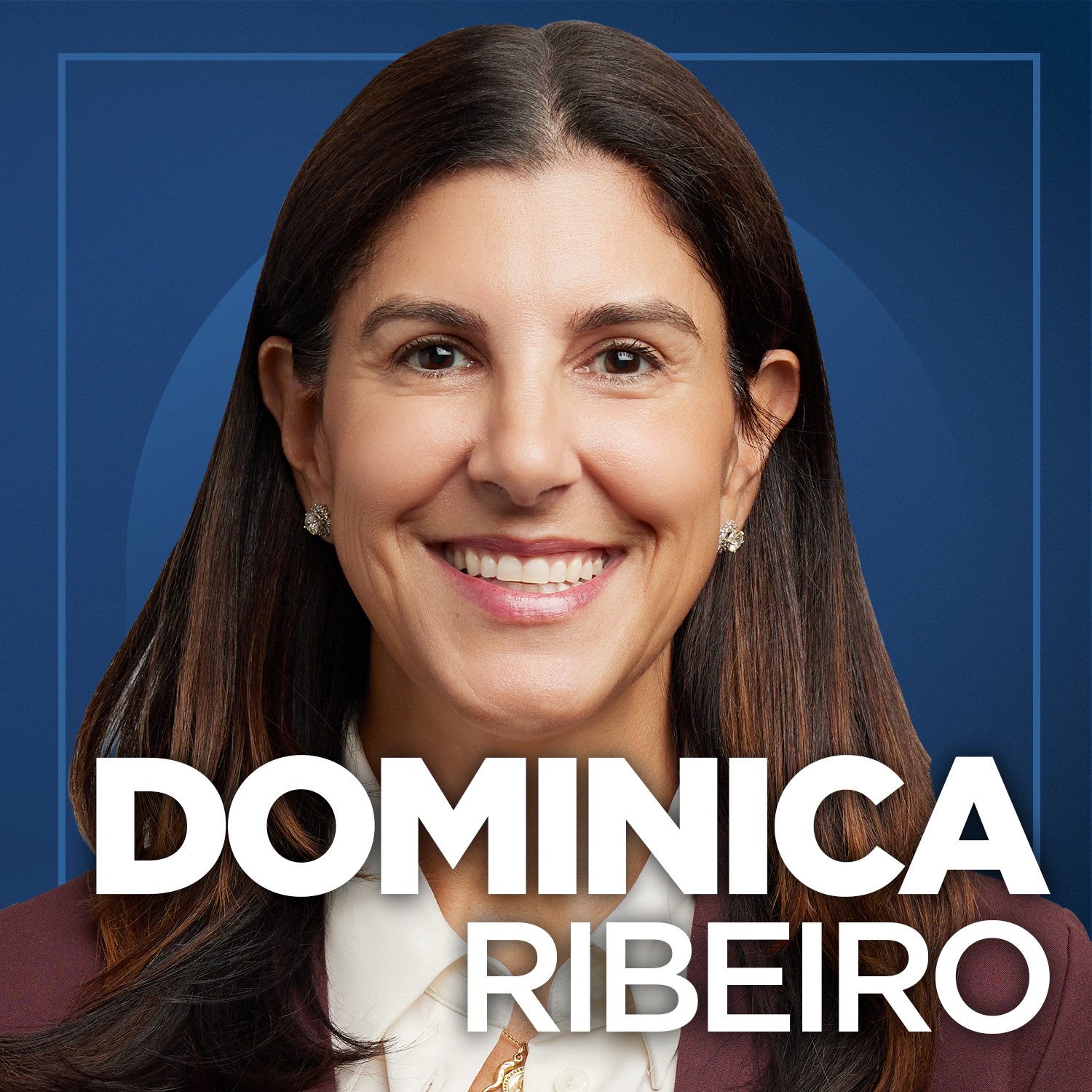
Gui Costin: Hello. Welcome to the Rainmaker Podcast with your host, Gui Costin. The goal of this podcast is to give listeners a unique look into sales strategies from top industry executives. We introduce you to the heads of sales and heads of distribution who will help you understand the inner workings of the successful sales organizations. From philosophy to execution, this podcast is essential for sales professionals seeking wisdom from the best in the field. If you're not familiar with Dakota and their Dakota Rainmaker content, please check out dakota.com to learn more about their services. This episode is brought to you by Dakota Marketplace. Are you tired of constantly jumping between multiple databases and channels to find the right investment opportunities? Introducing Dakota Marketplace, the comprehensive institutional and intermediary database built by fundraisers for fundraisers. With Dakota Marketplace, you'll have access to all channels and asset classes in one place, saving you time and streamlining your fundraising process. Say goodbye to the frustration of searching through multiple databases, websites, former ADVs, and say hello to a seamless and efficient fundraising experience. Sign up now and see the difference Dakota Marketplace can make for you. Visit dakota.com/dakota-marketplace today. What is up everybody, it's Gui Costin, founder and CEO of Dakota. Welcome to the latest edition of the Rainmaker Podcast. I am so pleased to be joined by Dominica Ribeiro, who is the Chief Marketing and Distribution Officer at Breckinridge Capital Advisors. And I can say this ahead of time, the legendary muni bond manager. So, but before we get into that, welcome to the podcast.
Dominica Ribeiro: Thank you. Thank you so much for having me.
Gui Costin: Dominica is Breckinridge's Chief Marketing and Distribution Officer. In her role, she leads the firm's strategic distribution, including sales and relationship management, as well as the marketing plans and initiatives. She's also a member of the firm's executive committee. In the board of directors. Dominica has been with the firm since 2020 and has over 29 years of industry experience. Prior to Breckinridge, Dominica was the head of institutional marketing at State Street Global Advisors, where she was responsible for the development and execution of their overall marketing strategy. Campaigns focused on the promotion of State Street Global Advisors thought leadership, investment strategies, and gender diversity initiatives. Notably the Fearless Girl installation on Wall Street in New York City, which helped raise awareness around the globe, the power of women in leadership, as well as the connection between increasing gender diversity on boards and long-term company performance. She's a member of the 100 Women in Finance, Boston Women in Finance, Women in Pensions Network, and the Defined Contribution Institutional Investment Association. She previously served on the leadership committee for the 50/50 Women on Boards Boston chapter. Dominica holds a BS and MS in business management from Lesley University. So thrilled to have you. And as I said to you in the pre-call discussion, Breckinridge, such an iconic firm. So thrilled to have you on. So, but can you go back to your origin story, where you grew up, college, and then the jobs you had before you got to Breckinridge?
Dominica Ribeiro: Yeah, yeah, sure thing. So I grew up in Franklin, Massachusetts, not too far from our Boston office here. And I like to say that I had a non-traditional path, if you will, into the industry. I grew up in Franklin and started working full-time in the industry right upon high school graduation, pretty much graduated in June or May and started at Putnam Investments. In September of that year. So I like to say I have over 30 years experience, but I like to add that caveat, right, that I did start right out of high school. But what I did was started working full-time in the industry and attended school part-time and, and then nights and weekends. So I started off way back then. There were 2-year degrees and 4-year degrees. So I got my associate's degree at Dean College, which was local to my town that I grew up in and was working in. And then I went on to get my bachelor's and master's degree at Lesley University, which is also based in Massachusetts. So haven't really left the, the region, if you will. And I started working, as I mentioned, at Putnam Investments within their distribution center. And there I was able to sort of set my eyes on the client relations team. And in that team, I certainly didn't start in, but that was sort of my goal when I was there at Putnam is, okay, how do I work my way up to be on that team? Because I was able to see even then at a young age, I really appreciated relationships and sort of saw the value in conversation and in building relationships. And so I sort of had that goal that I wanted to get there.
Gui Costin: So obviously Putnam, iconic firm.
Dominica Ribeiro: Exactly.
Gui Costin: One of the largest investment firms for you in the world, years and years and years. What would be some key takeaways from a cultural standpoint? Would you say that you sort of pulled from Putnam and is in your your career today?
Dominica Ribeiro: Yeah, it's a great question because I do feel that that laid the foundation for the rest of my, my time in the industry. And it was a— there was a huge focus on culture and hard work, work ethic. And that came through really all over where I worked in Putnam. And even although I sat in the Franklin office, I was often coming into Boston, working with the Boston office. And I can tell you from every team, every group that I experienced from the distribution center to the mail center to the executive team there, it was always strong work ethic, strong work ethic, importance of communication, and the importance of, I would say, trusting and culture. That stood out quite a bit when I was there. And I spent 5 years there.
Gui Costin: Oh, that's great. Were you ever under Bob Reynolds at all?
Dominica Ribeiro: Yes. Yep.
Gui Costin: Yep. We know Bob pretty well. Yeah, that's great.
Dominica Ribeiro: Yeah.
Gui Costin: Another great, a great leader. All right, so I interrupted you, but so you did Putnam and then we'll keep going.
Dominica Ribeiro: Yeah, so I did Putnam and back then there was certainly a bit of conversation as you talk to anyone from Fidelity. And so I loved Putnam, but somebody had said to me, listen, once you get your degree, you can come, teasingly, work for a real company and come to Fidelity Investments. And so I actually held to that and when I finished my degree, I ended up going over to Fidelity, applying for a job at Fidelity in their Marlborough office. And that was in 2000. So I ended up joining Fidelity in their communications division there, again, sticking with that theme of client and communication. And I started with Fidelity in 2000 and ended up spending quite a bit of my career, 14 years at Fidelity, and made my way through marketing communications. And then that was the first 8 years 8 years or so and then ended up going to— at the time, Fidelity was launching their boutique asset manager, Pyramis Global Advisors, and it was meant to be a boutique business within a business, but boutique-like custom feel with the access to the broader Fidelity network and investment team and so forth. So I had transitioned over to Smithfield, Rhode Island, and I spent another 7, 7.5 years there, within their marketing team, institutional marketing team. And I was able to rise there up to when I left, I was a vice president of marketing or institutional marketing there. And it was through my time at Fidelity too that I really got to focus on distribution teams and really partner with the distribution team from a marketing perspective. But I had, again, talk about another great culture, importance of strong work ethic and, and strong leadership certainly was the thread in my time, my 14 years at Fidelity as well.
Gui Costin: Wow, that's amazing. So that's great. So now at Breckinridge. So just give us a little overview of Breckinridge as a firm.
Dominica Ribeiro: Yeah, so Breckinridge, we are small but mighty, I like to say. So we're independent asset manager. We were founded over 30 years ago. We have, as of today, roughly $55 billion in assets under management and 89 employees. We, we specialize in the investment management of investment-grade fixed income and equity income portfolios, and that's through customized separately managed accounts.
Gui Costin: That's amazing. And so could you give us a little perspective of how your team is set up?
Dominica Ribeiro: Yeah, definitely. So we are 20 people, the team, and that includes distribution and marketing. And I will say too, although I spent some time at larger firms because I was also at State Street Investment Management as well, I also was at another company company, Edelman Financial Engines, which was small, boutique-like feel. And then coming to Breckinridge, where although we do manage $55 billion in AUM, we still feel boutique-like, really specialized, if you will. And so with that, we have distribution and marketing together under my leadership, and we're— there's 20 of us. And within that, I'll describe it across the pillars. So we have the marketing team and There are 4 people on the marketing team here doing everything across marketing, as you, you can imagine. And then on distribution, I have a private wealth team, I have an institutional team, a national accounts team, and a what we refer to as distribution strategy team. And that distribution strategy team, I think, is, is good to talk about because under that is sales enablement, Product strategy, market and business intelligence, and that, that's the team. And, and I can get into as well separated by region, of course, if you're interested in that.
Gui Costin: Well, I think as you, in particular when we talk about boutiques, how you have set up your team to go after the RIA channel, if you will, and the wealth channel in general. How, how have you found the most effective way to penetrate those end markets?
Dominica Ribeiro: Yeah, for us, we take a hybrid approach. So that is, it can be slightly different than other asset managers in the industry, but for us being smaller and really the client experience is something that stands out for us and it's really important to us. And not to say that it's not for others, but here having the structure on the wealth side that you are not as we, so a body of our business, right, is through advisors, through broker-dealers, through investment platforms and The idea is we are working with the advisor and not directly with the end client, but that relationship with the advisor is important. So it is not as if you come to Breckinridge, we pitch you on, on why come to Breckinridge, why move assets to Breckinridge, and then we turn you over to a relationship management team. So that happens, I think, quite often is, is the structure. For us, we find importance in the continuity of the relationship. As you join Breckinridge or you come to Breckinridge, you give your assets to Breckinridge. And so we do have a hybrid approach within the private wealth side and quite frankly, in the institutional side as well. And so you are dealing with that same team for the most part that you deal with through the business development process is the same team that you'll deal with for the relationship management side of the process. And that's important to us to have that continuity in relationship.
Gui Costin: I love that. That's the way that we're set up. And I think it's so important because Makes it so much easier to cross-sell and it makes it so much easier to create motivation where if you bring the money in, you got to keep it, right? Which means you have to communicate. And also a lot of dedicated client service people— I'm not knocking them, but they might not be as interested in the cross-selling, right? Because— because I see the opportunity. Yeah, exactly. Listen, I've seen it in our business, right? The people that are dedicated client service generally aren't you know, hunters and salespeople, but they're client service people and they're phenomenal. Yeah. But in order to cross-sell, you have to have that sales gene and having that continuity of the same person that brought you in, that sticks with you. Right. Does the quarterly calls, does the updates. I love that.
Dominica Ribeiro: Right, right. And each of those teams too is set up where they, so we have, we're set up by two regions and then under each of those regions we have more, um, dedicated relationships. But they each, and it's east and west of the Mississippi also, by the way, which I know other firms tend to have multiple regions, and we, we found benefit in, in keeping it simple with two, but making sure that the people within each of those regions have specialized states, if you will, within those regions. We think that's important as well.
Gui Costin: Well, that's great. So, yeah, I do want to just, uh, ask you one question about your career and how you moved from, you know, marketing, starting— sure, so long in marketing to the distribution. Could you walk us through how you manage that transition so well?
Dominica Ribeiro: Yeah, and it's, it's interesting because I'll attend industry conferences where there's a group of us CMOs, if you will, that have gotten together over the years and best learn best practices and share ideas. And now when I— although I've been in the distribution and marketing leadership position for a few years now, and when we see each other, they're like, that is amazing. It just makes sense. But it doesn't often happen. I think my experience at Fidelity And, and at State Street, quite frankly, I was working really lockstep with the distribution teams, right? Ensuring that those overall sales goals, business retention goals, how can we attack that and how can we maintain that from a marketing perspective and distribution perspective? And quite frankly, the product perspective as well. So I've had so many years of working alongside distribution leaders that here at Breckinridge, we had an opportunity for me to take over the distribution team. And it made sense because of that, because of the experience that I've had. And it really, it's powerful because I have the ability to help shift and influence the teams as a holistic approach, where oftentimes the marketing team and then the distribution team are very siloed. They're not talking, and quite frankly, they're missing out on opportunity across both of those angles to, to help elevate the brand, right? To help provide your product offering, capabilities offering, and in the best way that you can as a firm. So that is what led me to that path, but it's been really powerful to be able to execute and build strategy right across the board from initial brand awareness opportunity to funding and keeping and retaining those client assets. So it's been, it's, it's really, it's, I would say it's not typical in the industry, but it's really powerful when it comes together that way. And having both of those teams under my leadership partnership here at Breckinridge has been a great example of that.
Gui Costin: Yeah, it's great. I mean, having done this, having raised money for 30 years, I've never seen an industry that combines the word marketing and sales as synonymous, right? I mean, it's just— because you literally call institutional salespeople or what have you marketers, right? It's just— it's the craziest thing, but it's just the way that our industry looks at it. And, and so speaking of that, can you walk us through Do you have a defined sales process for the team that you like them to follow?
Dominica Ribeiro: I do here. So at Breckinridge, and I won't get into too many details because we do believe it's a competitive advantage and I certainly don't want to share too many, give too many, too much of our secrets away, if you will. But we are organized by way of a scorecard. And this gets into, as I think about sort of leadership and transparency with the team. So the sales process, We, we have a scorecard that we incentivize the team to focus on that business development, on retention with relationship management, and then execution on process and best behaviors and collaboration. And so that is, that is at the core of our process, if you will, because what's important to us, you know, I said it in the beginning too, it is that customer experience, the client experience that we showcase at Breckinridge is so important. And again, that is from the beginning, from the beginning, first conversation through hopefully funding, through then the post relationships, to your point, the quarterly updates that we have and ongoing discussions that we have with our clients. And, and so our structure is certainly to make sure that we're always engaging, that we are always responding. You know, when you call Breckinridge, you're not likely going to a voicemail. You're getting a person and you are having a conversation. There are no agents, if you will, when it comes to communication with our clients or with our prospects. And that's important to us, right? Having that human element and interaction is, is certainly a key piece of, of the sales process here at Breckinridge. And they—.
Gui Costin: This is compensation, right? Compensation drives behavior, right? If you set the—.
Dominica Ribeiro: Yeah, right.
Gui Costin: Right, proper expectations. And then, yeah, it just aligns with your goals and your culture.
Dominica Ribeiro: Exactly. The incentive of that. Yeah, yeah, it's important.
Gui Costin: It's important. Yeah, and then, but it's acknowledged up front, right, on a scorecard.
Dominica Ribeiro: Yeah, exactly.
Gui Costin: It makes sense.
Dominica Ribeiro: And it's very important to be transparent with, I feel, right, with, with the team, for the team to be able to start in January and know exactly, how am I going to be measured? How will that impact my compensation at year end? I think that's really important. Yes.
Gui Costin: If there's a key takeaway just from this call for our listeners, right, thinking through what would a scorecard look like for any of us in any of our organizations. Right. And it's probably a little bit different for everybody.
Dominica Ribeiro: And it can shift too, right? Year over year, it can shift because you may have— your priorities may shift. And I think it's important to remain flexible, right? Don't be very rigid with your thinking as you set this up. You can allow for some flexibility with that scorecard.
Gui Costin: That's great. And so how could you describe your communication cadence with your team? And that we— at Dakota, we have an 11:30 check-in Mondays, which is about 45 minutes. It's very structured of what we go through. So there's not a lot of wandering. And then we have an 8:00 check-in that lasts 2, 3, 4 minutes Tuesday through Friday. It's just a jump on if you have nothing to share, nothing to share. But if something came up, the day prior that you wanted to share. In that context, how are you guys set up to communicate amongst your team?
Dominica Ribeiro: Yeah, so similarly, we have every Monday afternoon, we have a broad distribution and marketing team meeting. And so that is really important to set the stage for the week. So what are your— what are you focused on for the week? We have the opportunity to share ideas. Here's what happened last week. We had these conversations. Oh, I talked with the investment team about this happening in this certain state, this came up. So all of that type of, those conversations happen. We talk about travel, what's coming up for the week, where people are at, and things like that. And that meeting probably lasts a good 30 minutes. Sometimes we go over, sometimes a little under. To your point, if somebody— I don't want— what I don't want is anyone giving an update just because they have the floor and they have to speak, right? I want to make sure that the content and what we discuss at that meeting is really useful and important. And then we also— I meet with with all of my direct reports on the distribution team after that meeting. And so— I'm sorry, actually, before that meeting, we meet as a leadership team to talk about more detailed aspects of the week or the month or what might be going on with the team. So the 3 of— actually 4 of those folks and myself, we talk every, every week on schedule, on the calendar. And then that broad team meeting. And then from there, each individual team, they are talking on a daily basis. So there is a lot of communication communication that's going back and forth that is either in person, I would say over the phone, on Teams. So a lot of communication daily within each of those teams. And then we round up too for sales training at least once a year as a broad team. So actually, funny enough that I'm recording this this week, we have our annual sales training on Wednesday. And we do have 2 offices. So we have Boston and San Diego. So our folks from the San Diego office are coming in person, and we have a packed agenda to make sure that we, you know, as a team, we're collaborating and we're thinking and we're strategizing and making sure that we are the best version of ourselves that we can be here at Breckinridge.
Gui Costin: I love it. So just so process-driven, and it makes just so much sense. Transparent, process-driven.
Narrator: If you've ever been frustrated trying to build custom reports in either Dakota Marketplace or Salesforce We have introduced Dakota Joe for you. Dakota Joe is a natural language report builder native to Salesforce, built inside of Dakota Marketplace. For all of our Dakota Marketplace users, you can find Dakota Joe today and start running reports on accounts, investments, contacts, and a whole list of other objects. For Salesforce users, we have Dakota Joe coming soon to your internal Salesforce logins. You can learn more about both today @DakotaJoe.ai.
Gui Costin: One thing that really plays a big role, I think, in all of our organizations, but it's not necessarily the case for everybody. And could you speak to the importance for you as a leader around the use of a CRM? I know it sounds like it's a crazy question that of course, right, but I know right. But could you speak to that and just like the leverage and how important it is to you as a leader?
Dominica Ribeiro: Yeah. And I too, what I'll do if helpful is I can speak to it. Come at, at one organization I was at, we didn't have one. Right. And so it was the idea of, okay, how important is it? Other organizations that I was at, obviously at Breckinridge we have one, so we use Salesforce. But I, but I did go through that process of coming into an organization There isn't a CRM. So what's the benefit of that? So I think in some organizations, folks, especially salespeople, have their own process, right? They have their own spreadsheet that's on their desktop that is important to them, that they will live and breathe by that spreadsheet, right? The problem with that in my mind, what I've seen is there's lack of transparency across the organization on what's on that spreadsheet. And so having that Do they have the data? Yes. Is their data clean and accurate? I hope so. Are there notes being kept in that spreadsheet? Most likely. The idea of a CRM is to better organize what is in that spreadsheet, what might be on that salesperson's desktop. And so the benefit for me, for what I've seen in building CRMs at organizations, is the importance of having consistency in the way that you store the data. Having consistency in the way that the team is using the CRM in storing their meeting notes, right? The consistency and the accuracy of data, which I know too is a challenge at some organizations, especially as you get bigger, it's harder to make sure that that data is clean. But then having the consistency of running reports off of that data and using that data for not only ongoing engagement with your clients, with your prospects, but also with the leadership team, with the executive team, I think is important. And so those are just some aspects of why, in my mind, why have a CRM? What is the importance? I though will say to some of those boutique managers that are thinking about it, there is an undertaking and you do want someone at your organization who knows and understands. If it is Salesforce, you want someone at your organization in a sort of sales enablement role, if you will, or sales operations role where they know it and they can help build it because that's important too. I would say you don't want to take on that endeavor without resources or a resource who understands how to get the best out of it because you are paying for it, right? And there is a cost, operational cost, in having a CRM, whatever one it is. And you want to make sure that you're getting the best that you can and using it for everything that that CRM organization has built it for.
Gui Costin: When I hear you say the spreadsheet, if I'm being a little bit crass, I also would say is that that spreadsheet is not there. That spreadsheet's the company's.
Dominica Ribeiro: Exactly.
Gui Costin: The company owns that information. Why?
Dominica Ribeiro: And who has access to it? Right.
Gui Costin: And also, unless they're a 1099 employee with no salary.
Dominica Ribeiro: That's right.
Gui Costin: If you're paying someone a salary, I call those the gold bars.
Dominica Ribeiro: That's right.
Gui Costin: And we've always used Slack and Salesforce kind of at the highest level of effectiveness.
Dominica Ribeiro: Yeah.
Gui Costin: And you need a system of record. But what's transpired in the past weeks because of some of the developments of Slack and Claude for Slack and how we've set up our Slack. Every meeting our team schedules has to be entered in Slack and it immediately goes into Salesforce. So it's an automatic capture. And then we have a leaderboard that goes out every day. And so if those aren't entered, that means you didn't set up the meeting and then you don't get credit for it. And so everyone's just developed a habit. But what's really been amazing is we've always had software meeting notes for our database business and then investment meeting notes sales meeting notes, and those meeting notes go in via Slack. However, what I realized about 10 days ago, I finished up a meeting and we had just finished our data summit the day before over here on our third floor. And I looked at Rob, our president, as we were going down this elevator in Seven Bryant. I'm like, Rob, I got off the elevator. I go, give me a second. We had just met with Schroders, the CEO. And so I pulled up Claude and I said, Claude, do me meeting notes for the meeting I just had with Schroders and Tom Danowski. And you know all the participants because my Claude's connected to my Gmail.
Dominica Ribeiro: Yes.
Gui Costin: And I dictated for 2 minutes. I stopped dictating. I asked Rob, I said, hey, did I miss something? I think there was 2 other things. He goes, yeah, yeah. Okay, Claude, add this and this. Claude does perfect call notes because now you don't need to type anything, worry about grammar. Claude writes it and then it actually gave it in a beautiful memo. And then I said, just do me one favor, Claude, put it in plain text, plain text. I hit the copy and paste, went into Slack, put it in the investment sales meeting notes, our software sales meeting notes, done. So within 3 minutes I just done perfect call notes, right? And I'm done. There's no more going back to the hotel room. Now it's in there. Love it. And then you say to yourself, okay, that's great. Well, this is better call notes than you'll ever have, right? And you're dictating. Now you can use any kind of AI. So now we have this new thing we can do. Monday mornings I'll just say, or on a Sunday, hey, do a review and key takeaways from all the software meeting notes or the investment meeting notes from the week of, you know, for last week. And look, Claude knows exactly. It goes right into Slack, pulls out all of those notes, summarizes them. Hey, these are the key takeaways. Here are some highlights. Boom, boom.
Dominica Ribeiro: Right?
Gui Costin: This is like in minutes what used to take—.
Dominica Ribeiro: Isn't it amazing?
Gui Costin: Right? And the bane of existence of a salesperson. But now they've taken— we've taken the friction for doing call notes down to here. As I said, I did a blog post on this. I said, we're all in trouble, salespeople, because now you can't have any excuses. The only excuse you'd have to say is, well, I can't talk.
Dominica Ribeiro: Okay, that's right. I love it. No excuses, right?
Gui Costin: And it's just like, but this is, this is such to your benefit. Now if you just learn how to dictate and just say what happened in the meeting, and then, and then you write, you read the notes, and you can just say to Claude, hey, add this and this in, or change this. You didn't quite give me the key takeaway here. And I see it's But the salesperson at the— this is what I try to say to everyone in our company. If you do this, the salesperson's the biggest winner. Like you as the individual, if you're following these, like if everyone's following your processes and procedures, they are the biggest winner.
Dominica Ribeiro: Yeah, that is the importance of the best practice, right? Find, find what wins and repeat it. Stick with it.
Gui Costin: Amazing, right? Yeah.
Dominica Ribeiro: Yeah.
Gui Costin: Okay.
Dominica Ribeiro: I love that. That.
Gui Costin: All right. So you've been in business, you know, probably longer than most because you started, you know, right out of high school at Putnam. So you have a lot of leadership experience. I'd love to hear how you would characterize your leadership style. And then also over time, like the lessons that you've learned, because we're all— and I just wrote a book called Be Kind, and my mom read the transcript and she was like, honey, are you being a little too honest? I'm like, Mom, I can't be from the ivory tower. Okay. I have a lot of mistakes. Takes along the way, and I just want to share those. So I love how you characterize your leadership style.
Dominica Ribeiro: Yeah, so I would say I lead with empathy. I know that is not everyone's top leadership quality, I would say, but I definitely, I lead with empathy. But I will say I do not lower the bar, right? And to me, I'm clear about where we're going. Transparency is key. I'm very direct when we fall short. That is important. I think that's an important piece of that. And I really expect the kind of work ethic that I would say turns accountability into results. And too, I learned that early on in my career, and that has really stuck with me. And I would say too, what I, what I expect is the communication, right? I expect that transparency. Because early on in my career, what I recall is there was one manager who had said to me, “I want to hear from you before I hear from my boss. If there’s something going on, if there’s something that happened, I want to hear that from you first. It will be a bad day if I’m hearing it from someone else.” And that stuck with me, right? And so that importance of that communication and collaboration with leadership, with your team, is very important to me. But I do, I am a very empathetic person. And, and I trust my intuition and that has helped me lead over the years and has helped me from a cultural standpoint and build trust with team.
Gui Costin: So you— I agree because I'll translate how I'm listening to what you're saying. The job of a leader is to define what good looks like and then also what bad looks like. And that's why I named the book Be Kind and not, you know, be nice. Nice, because nice can be very insidious where you're not doing the job as a leader to explain what good looks like and defining what good looks like. Right. Because people need to know, no, this is what good looks like. This is what bad looks like. Now, delivering the message by putting people down, demeaning— obviously, I can see you don't have any of that in you, but that doesn't mean, right, that you're not very direct on defining what good looks like. Because everyone—.
Dominica Ribeiro: You have to be.
Gui Costin: Yeah. And as I said, look, a lot of people, they’re There’s a really neat podcast recently on Lenny’s podcast, and he talked about one of the founders of PayPal. And he’s kind of the PayPal mafia, right? And he talks about— they talk about barrels. So think a gun barrel versus ammunition, right? And there’s very, very few barrels, right? Because a lot of people, they do just want to be led, right? Just tell me what you expect of me. If I know exactly what’s expected of me, I can follow that and I can get her done, right? But tell me what— you know, And I think I hear that exactly when you first open it up. I lead with empathy, right? Which is kindness. And then— but you’re not, you know, dropping standards, as you said.
Dominica Ribeiro: No, no, you can’t. There isn’t, especially within our industry, there is no room for that. And that is really important. But it’s exactly right. Be kind. You can be kind. Do you deliver that bad news or you deliver that you did not deliver on expectations? You can do it in a kind way. Way, right?
Gui Costin: Yeah, where everyone feels, you know, I mean, heard, right? We’re human. Yeah, we’re human. And, and listen, the, the job of a leader— besides, there’s a lot of jobs, but you want to keep your best people forever.
Dominica Ribeiro: That is right. Right.
Gui Costin: So, and if you can do— if you can keep your best people forever, that’s the secret to success. Longevity, you know, what it takes to get a job done, institutional knowledge of what it takes to get a job done, right? It doesn’t happen in 6 months, a year, 2 years. But if you can hang on to your best people effectively forever, yeah, I mean, that, that’s organizations grow. And I always say, if you can do that with low vol and have a lot of fun, right, getting her done, that’s right, that’s right. So, all right, well, speaking of this, 2 more questions.
Dominica Ribeiro: Yeah.
Gui Costin: So you have such vast experience, and I love— and I can literally viscerally feel the experience that you’ve had and how you’ve developed into the leader that you are. What advice would you give to a young investment salesperson getting into our industry today?
Dominica Ribeiro: So I would say two things. One is trust your gut. Your gut will not— most of the time, I should say. That’s my compliance, right? My trained compliance. But most of the time, your gut will not lead you wrong. And the other thing is the importance of communication, right? And I know I had started talking about communication. That is so important. And it’s the way that you communicate, not only with your manager, with your team, but with your clients, with your prospects, right? As you’re, you’re, you’re starting out in the industry, and I’m sure most people starting out are more internal-facing role or only internal-facing or even supporting those internals, that is still important, right? Ultimately, the work that you’re doing is going to make its way up and out to a client or a prospect. And so the importance of that communication and just tying that into the importance of your, sort of your gut feel and intuition, right? If something doesn’t feel right, it’s likely not right. And whether that be an email, whether that be a shortcut to the process or what have you, Just don’t do it, right? Don’t do it and have a conversation about it. I truly think those are two very important aspects to not only those newer recruits or entries into an organization, an asset management organization in a sales position, but still one that I think about today, every day.
Gui Costin: So you use the word communication, which I agree with a billion percent. I’ll take it one little level deeper. And this is when I had my worst leadership moments, when my head like separated from my shoulders. And I call it keeping people in the loop, right? And you’re saying communication, and I said just a slightly different way, like just make sure— copy, you know, just make sure they’re aware. If you’ve— if they’re involved in something, they can learn whatever it might be. It’s when I see people that aren’t copied, it’s the thing that makes me so crazy.
Dominica Ribeiro: It drives me crazy.
Gui Costin: Right, because that— but that’s the— if you— I call it tapping into the collective knowledge of the group.
Dominica Ribeiro: Yeah.
Gui Costin: The more that you are— you’re saying communicating and sharing information, keeping people in the loop, and, and not, not holding information like this for— that’s what most people do for power, right? They want to keep information like this. You’re crushing the culture. And then think about it, you have all these people right around you right now, right? They have unlimited conversations they’ve been having last week, they’re going to have today and everything. If that somehow doesn’t get surfaced right to people and what they’re learning, what they’re seeing in the marketplace, or just having an off-the-cuff conversation, right? Because there’s so much knowledge within an organization. It just needs— how do you share that? Right?
Dominica Ribeiro: So that’s right. That is the importance of it. And even, even small, small things, right? With that, like actually as I drink my coffee here, but go for coffee, right? And the amount of information that you can learn and, and share, right? Because because there’s many things too, even at my level, there’s many things that I learn taking someone who has just joined the firm out for coffee, right? They’re learning from me, hopefully. I hope that I’m able to provide that. But I also, there’s aspects that I hear from them that I learn from them. So I think it’s really important.
Gui Costin: Oh, it’s great. Okay, last question. Yeah. There’s always going to be challenges and there’s always going to be wars and wish there weren’t. There’s always a stock market, you know, different bubbles, blah, blah. There’s always going to be something. But when you look at your current environment, what’s one of your biggest challenges today and how are you overcoming it?
Dominica Ribeiro: I think when I look at the environment, one of the biggest challenges is our size and making sure that we’re everywhere, right, that we need to be with keeping that right. We— I mentioned we are independent, right? We’re independent. We do feel we have that boutique feel. We’re specialized. And we’re not that big corporate firm. And we’re proud of that. We love that. We are, we’re so proud of being independent and, and our, and given our size with 89 employees. But I would say it’s, you want to make sure that you’re being so focused, right? You’re laser-focused on your priorities. You’re very strategic, and you’re using all of your resources, if you will, your talent, in the best way possible, because we don’t have 100 people on, on the team. And so How How are we using our people’s time, right? And making sure that those people are doing their job in listening, right? Very important thing. We even, we have our, a client event here at Breckinridge tomorrow. And it is about ensuring that we’re always listening, listening to the client, listening to the prospect, because that is our feedback loop, right? That we are hearing, we’re listening, we’re making changes based off of that, right? It gives us that ability to, to identify where we want to invest and grow and add to the product lineup based off of that feedback loop and what we’re hearing. And, and so that is, it’s so, you know, I know I’ve sort of packed a lot in there, but all of those things are, are just so important and they’re required for success, right? And continued growth.
Gui Costin: All right, Dominica, you, OK, so you better be careful because if you’re going to share this podcast on LinkedIn, You could be prepared for a lot of resumes flying in.
Dominica Ribeiro: Oh goodness.
Gui Costin: And by the way, that’s happened with a lot of people. So yeah, I, I, I can see why people stay with you, want to work with you. Uh, your leadership is infectious, I can feel. And it’s also—.
Dominica Ribeiro: Thank you—.
Gui Costin: Very thoughtful. And that’s, you know, you’re very thoughtful. So thanks so much for joining. I really appreciate you. And I’ll just do the wrap for, uh, for the show. So everyone, thanks so much for another episode of the Rainmaker Podcast, and we can’t wait to see you on the next episode of the Rainmaker Podcast.
Narrator: You can find this episode and others on Spotify, Apple, or your favorite podcast platform. We are also available on YouTube if you prefer to watch while you listen. If you would like to check up on past episodes, check out our website dakota.com. Finally, if you like what you’re hearing and seeing, please be sure Be sure to like, follow, and share these episodes. We welcome all your feedback as well. Thank you for investing your time with Dakota.